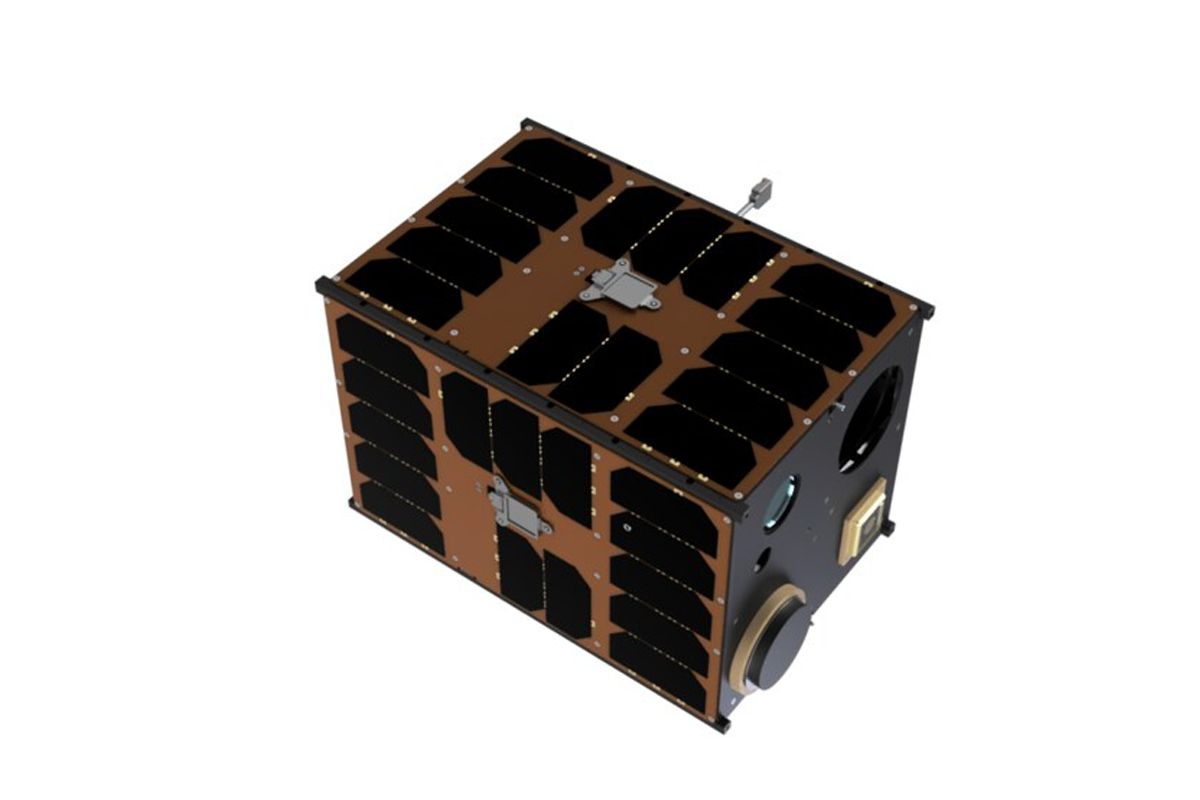
SpeQtral, a Singapore quantum communications company, and Toshiba Digital Solutions have reached an agreement to market and deploy quantum key distribution systems to governments and enterprises in Southeast Asia. The release opens not on the technology but on a threat figure, pointing to INTERPOL's ASEAN Cyberthreat Assessment 2021 and what it calls the rise of cybercrime in the region.
Toshiba's contribution is fibre-based quantum key distribution, which it says it launched as products in October 2020 and can carry quantum-secure links over hundreds of kilometres within a metropolitan area. SpeQtral works on satellite-based systems meant to reach between continents. The two argue their offerings complement each other, because a long-distance quantum-secure network would need both.
The first joint activity is not a network but a programme of free webinars and workshops, intended to persuade potential buyers in Southeast Asia to consider the technology. Singapore is singled out as a hub for financial, telecommunications and cloud infrastructure.
What an agreement to market does not prove
Quantum key distribution is real physics: it lets two parties detect whether a key has been intercepted in transit. What an agreement to market it does not establish is demand, cost or a deployment. The release names no customer and no project, and the only date in it belongs to a product launch rather than a sale. The method also needs dedicated fibre and trusted nodes, a capital and operational cost the announcement does not discuss.
The claim that drives the partnership — that quantum computers will break today's encryption soon enough to matter — is a judgement about timing, and the timing is contested. Toshiba's Taro Shimada points to the company's existing work in Japan, the United States and Britain; SpeQtral's Chune Yang Lum speaks of the region's emphasis on cybersecurity. On the evidence here, this is two vendors agreeing to explain a product to a market, which is a reasonable first step and not yet a network.