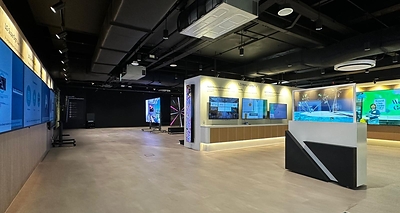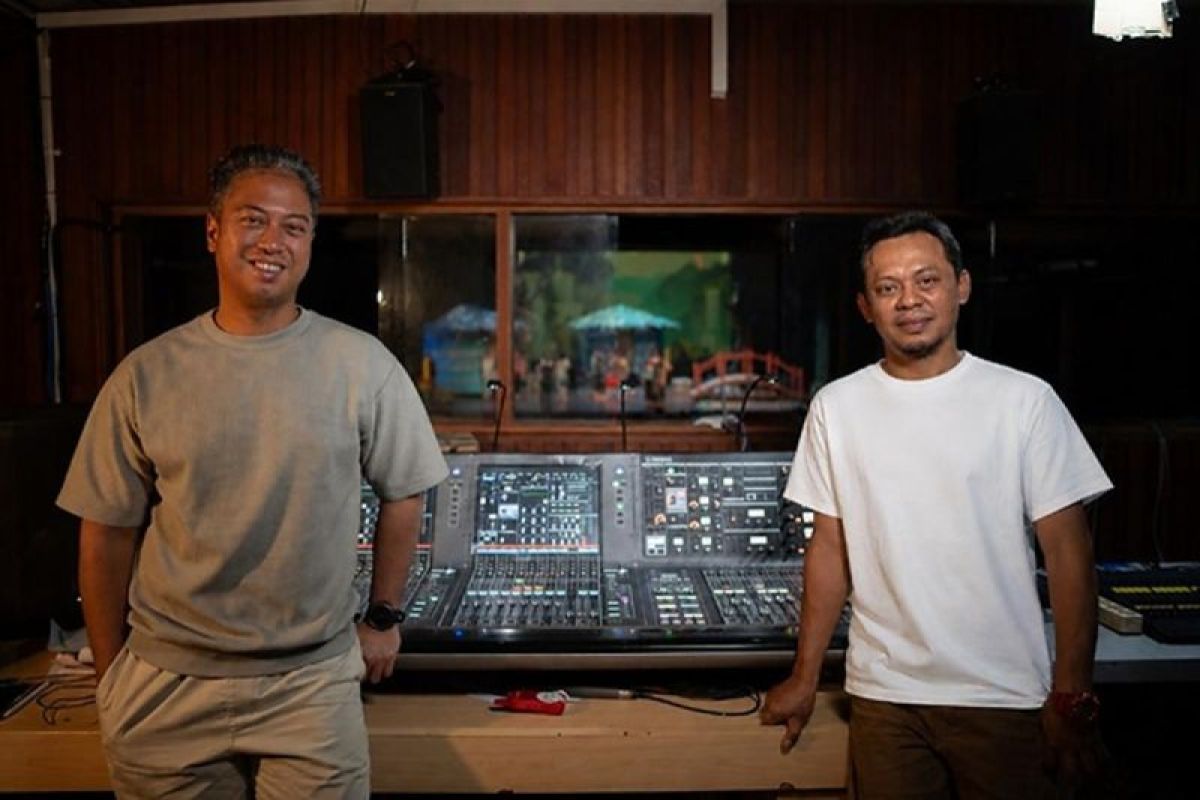
Teater Besar, the 1,200-seat hall inside Jakarta's Taman Ismail Marzuki arts complex, has become the first venue in Indonesia to install Spectera, a wireless audio system made by Sennheiser. The manufacturer describes it as the world's first wideband, bidirectional wireless ecosystem, and the theatre is using it to replace a rack of conventional radio equipment.
The problem it addresses is familiar to anyone who has worked backstage. Every production at the venue, whether theatre, musicals or concerts, arrives with its own crew, stage layout and wireless needs, so the technical team rebuilds the audio configuration each time. As the number of wireless microphones grew, so did interference between them, the setup time and the amount of equipment carried. Under the previous architecture, the number of receivers grew with the number of microphones; the project's system integrator was the Indonesian firm Albeta.
The invisible work behind a performance
Audio systems rarely make news, and this one matters for something audiences never see: the technicians who spend a changeover re-tuning radios are the people a new system is meant to free. When wireless channels share one wide band, that labour shrinks, and a hall can take on more ambitious productions. The people who gain most are the ones a programme never names: the crew who arrive before the audience and leave after it.
The trade-off is less visible. A single ecosystem for microphones, in-ear monitors and control tends to tie a venue to one manufacturer, and the skills to run it become specialised. The theatre has not said what happens to its old equipment, or what it expects the new system to do that the last one could not. Sennheiser's claim to a world first is its own. What the installation shows is that a state arts centre was willing to buy the technology, a decision about cultural infrastructure as much as about sound.