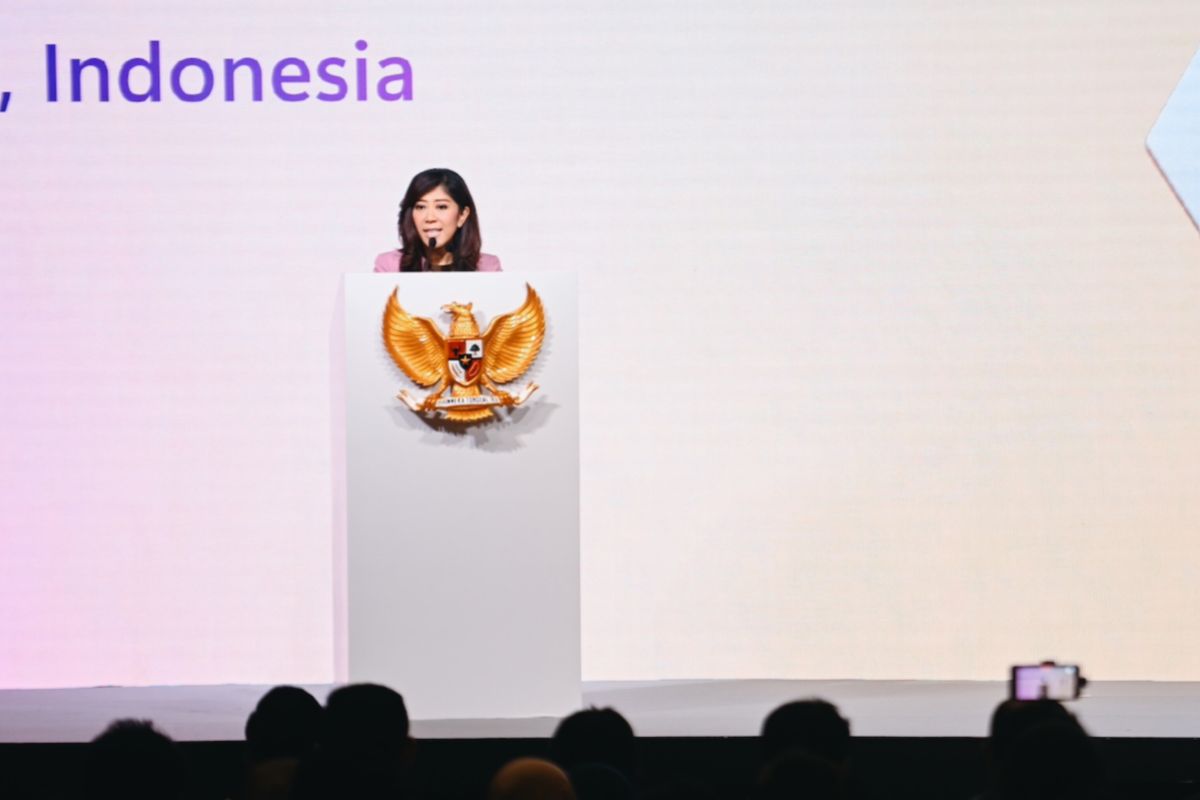
Microsoft has launched its first data centre in Indonesia, the Indonesia Central Cloud Region, part of the USD 1.7 billion investment commitment the company made for the country. The communications and digital minister, Meutya Hafid, says she expects the facility to have a real economic impact and to support national development rather than being only an expansion of capacity.
The government's numbers are the ones to hold at arm's length. The ministry says the investment has the potential to generate 60,000 jobs by 2028, and that a partnership with Microsoft will train one million people in digital skills. Under the same commitment, the company earlier said it would train 840,000 people in Indonesia as part of a wider ASEAN target.
What a cloud region does, and does not, deliver
A cloud region means the company operates its own compute and storage inside the country, so that regulated customers and latency-sensitive applications can stay onshore. That is a genuine change for banks, government agencies and larger enterprises that had been running on neighbouring regions, and it is a signal about data residency policy as much as about technology.
The minister cites studies putting Indonesia's data centre market at USD 2.39 billion in 2024 and USD 3.79 billion by 2030, and points to renewable energy potential of 207 gigawatts of solar and 29 gigawatts of geothermal. Those are market forecasts and resource estimates, not contracted capacity, and the training and jobs figures are projections with dates attached rather than results.
Cloud regions take years to fill, and demand depends on how many local organisations actually move workloads onto them. The facility opening is verifiable. The economic impact is not, yet, and the ministry's headcount targets are the kind of number that can be met without a single additional rack being sold.