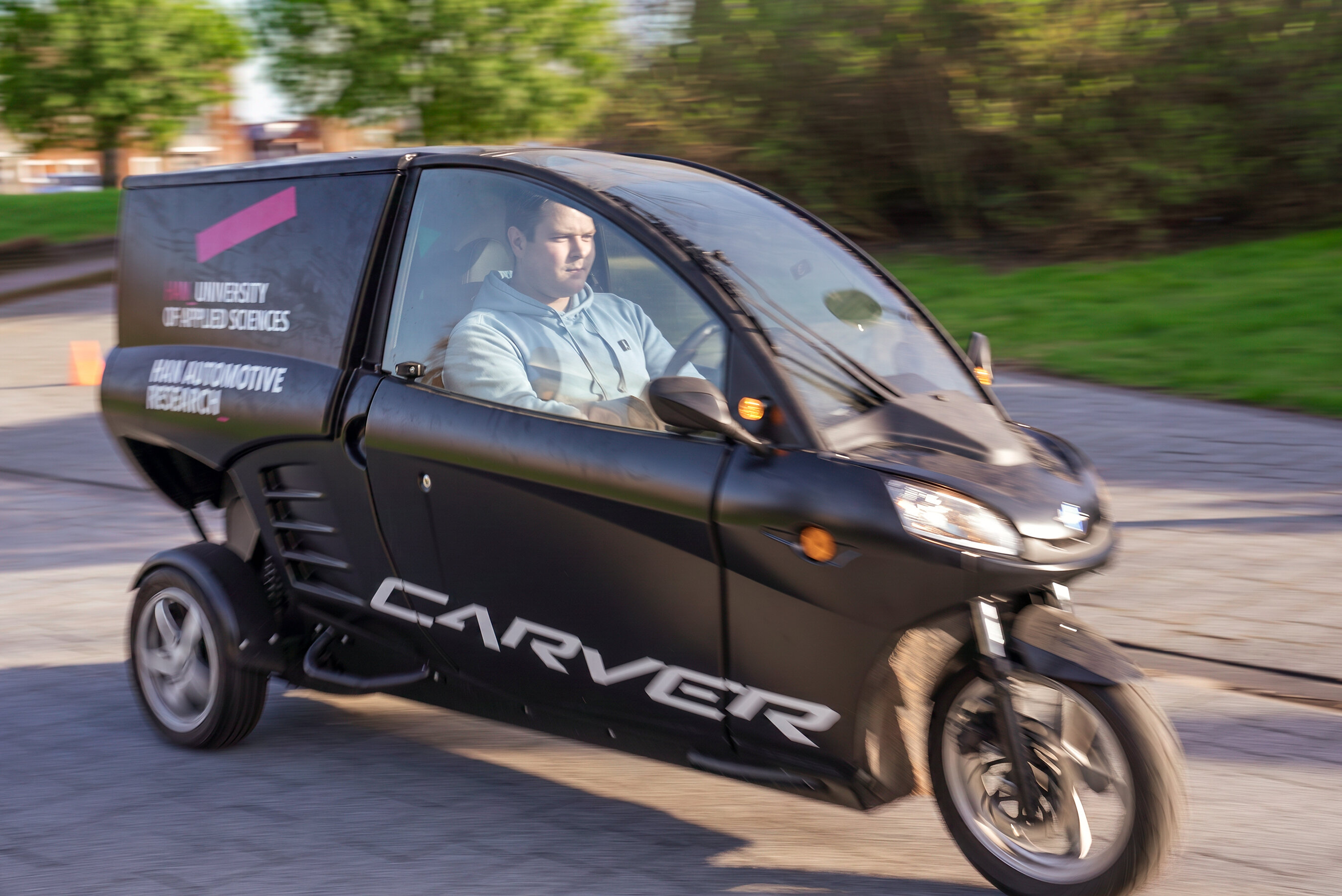
New light electric vehicles — e-scooters, e-cargo bikes and fatbikes — are arriving in growing numbers on Dutch cycle paths, and research conducted at Breda University of Applied Sciences finds they could cut car use while also putting more cyclists at risk. The findings were released as European Mobility Week closed with Car-Free Day.
The Netherlands, the release says, records 28% of all trips by bike, has 22 million bicycles for 18 million residents, and runs a 153,000-kilometre network that cities elsewhere study and copy. LEVs bring more varied speeds and masses onto the same narrow cycle paths, and safety research cited in the release finds this is pushing up cycling accidents.
A survey of nearly 2,000 residents carried out for the LEVERAGE project at BUas and its partners found that about a quarter of respondents are considering a small LEV soon and about three-quarters expect to drive their cars less as a result. Interest was reported in suburban and rural areas equally, which the release says suggests LEVs can extend cycling-based mobility beyond conventional bicycles and help cut carbon emissions across the wider mobility system.
Using eye-tracking, skin-conductance sensors and surveys with cyclists, the researchers found that legal fatbikes and other LEVs draw more visual attention than ordinary bicycles, but that this did not translate into measurable stress or a sense of unsafety as long as LEV users behaved predictably and kept to legal speeds. Participants who had held negative views of LEVs beforehand reported no unsafe experiences when they encountered them being ridden calmly, and separated cycle paths consistently produced higher feelings of safety, the release says.
Paul van de Coevering, professor of Urban Mobility Planning at BUas, said the vehicle itself is not what creates danger; how it is used is. The research concludes that enforcing behavioural standards such as age limits, speed controls and predictable riding is more effective and draws more public support than banning particular vehicles, and that combining such measures with investment in well-designed infrastructure can keep the Dutch cycling model safe as it absorbs a new generation of electric vehicles.