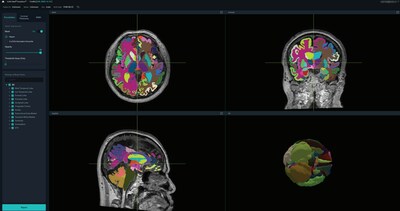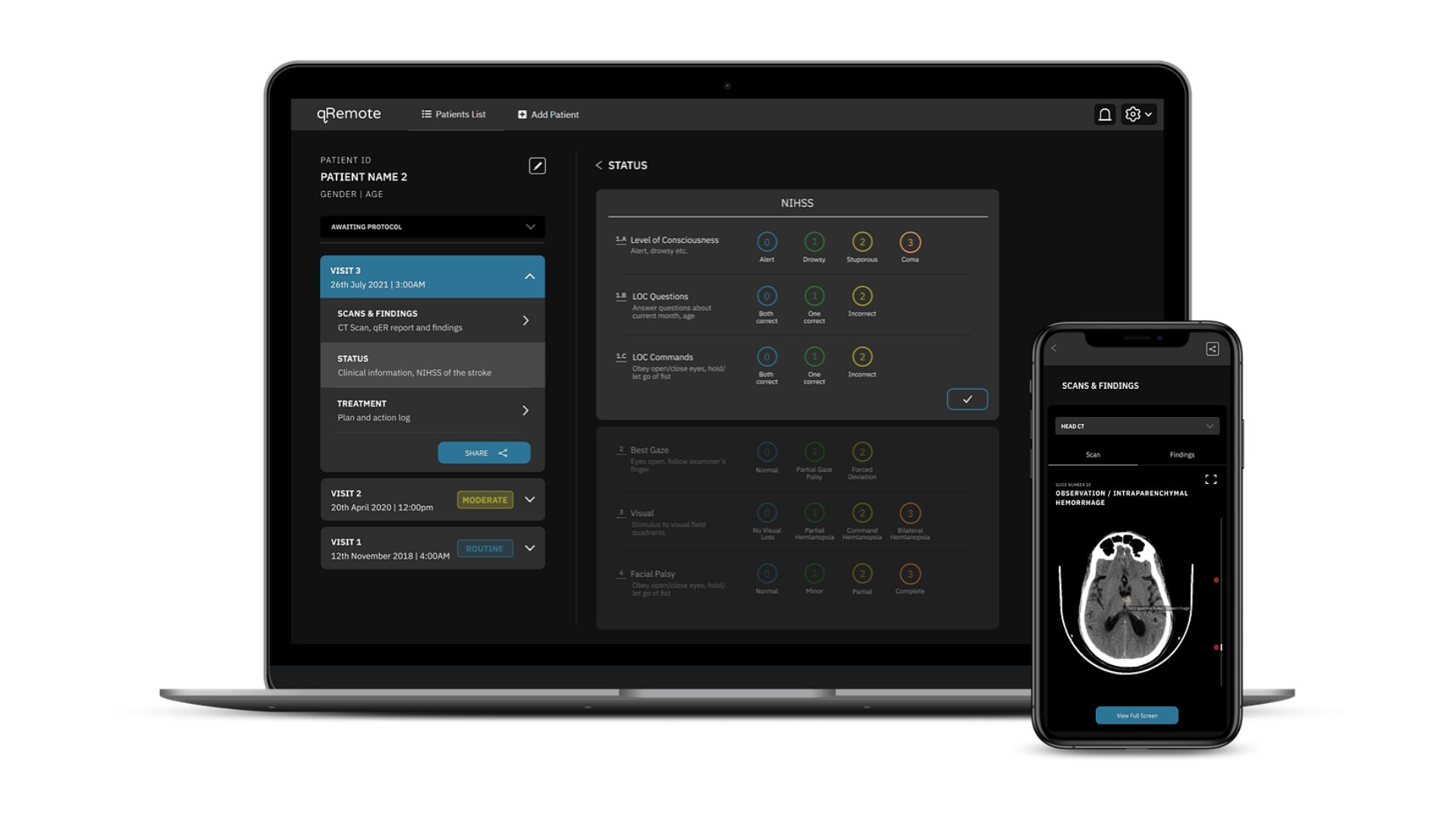
Indonesia's health ministry has launched a national competition to build artificial intelligence tools for five illnesses, namely stroke, stunting, diabetes, cardiovascular disease and tuberculosis, and says the resulting work will be checked against clinical evidence before it is allowed anywhere near the country's health records.
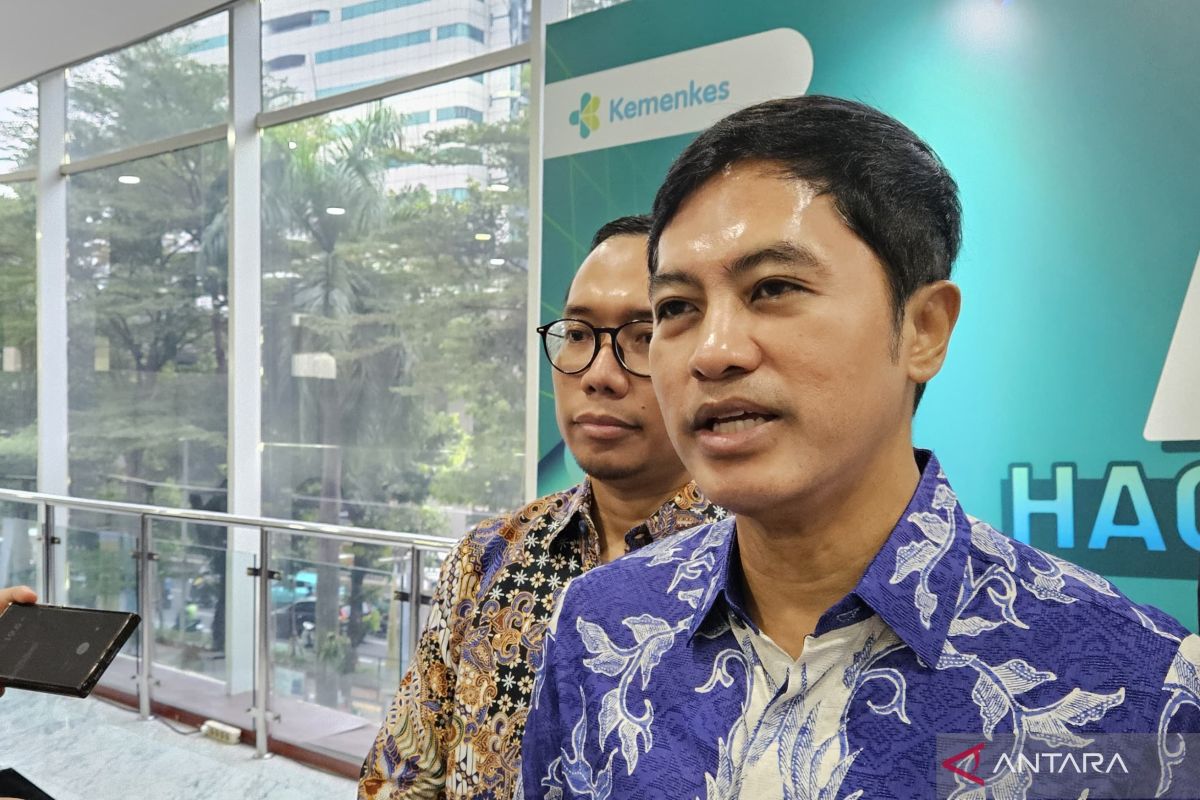
Officials expected a modest field and instead drew 278 participants from ten countries, the deputy health minister, Dante Saksono Harbuwono, told the opening in Jakarta. He argued that Indonesia's geography, spread over more than seventeen thousand islands, makes equal access to care hard to deliver by conventional means, and that AI should be judged on whether it empowers people rather than replaces them. The five targets are among the conditions the country spends most on, and loses the most people to.
The distance from a demonstration to a deployment
A hackathon is a useful way to find talent and a poor way to build infrastructure. What it produces is usually a prototype, written at speed by people who then return to their day jobs, and the work of keeping it running, including hosting, updating and checking that it still behaves, is exactly what competitions do not fund. The ministry's promise to validate tools before folding them into SATUSEHAT, the national health platform, is the right instinct, and it is also the step where most such projects stop. The evidence it would take to pass is the unglamorous kind: whether a tool still works on a hospital's real data, and who is paid to repair it when it does not.
The competition is real and the participation encouraging. What it has not yet produced is evidence that a model trained on one province's data works in another, or that clinicians will trust a suggestion they did not ask for. Those questions belong to the years after the hackathon, not to the launch.