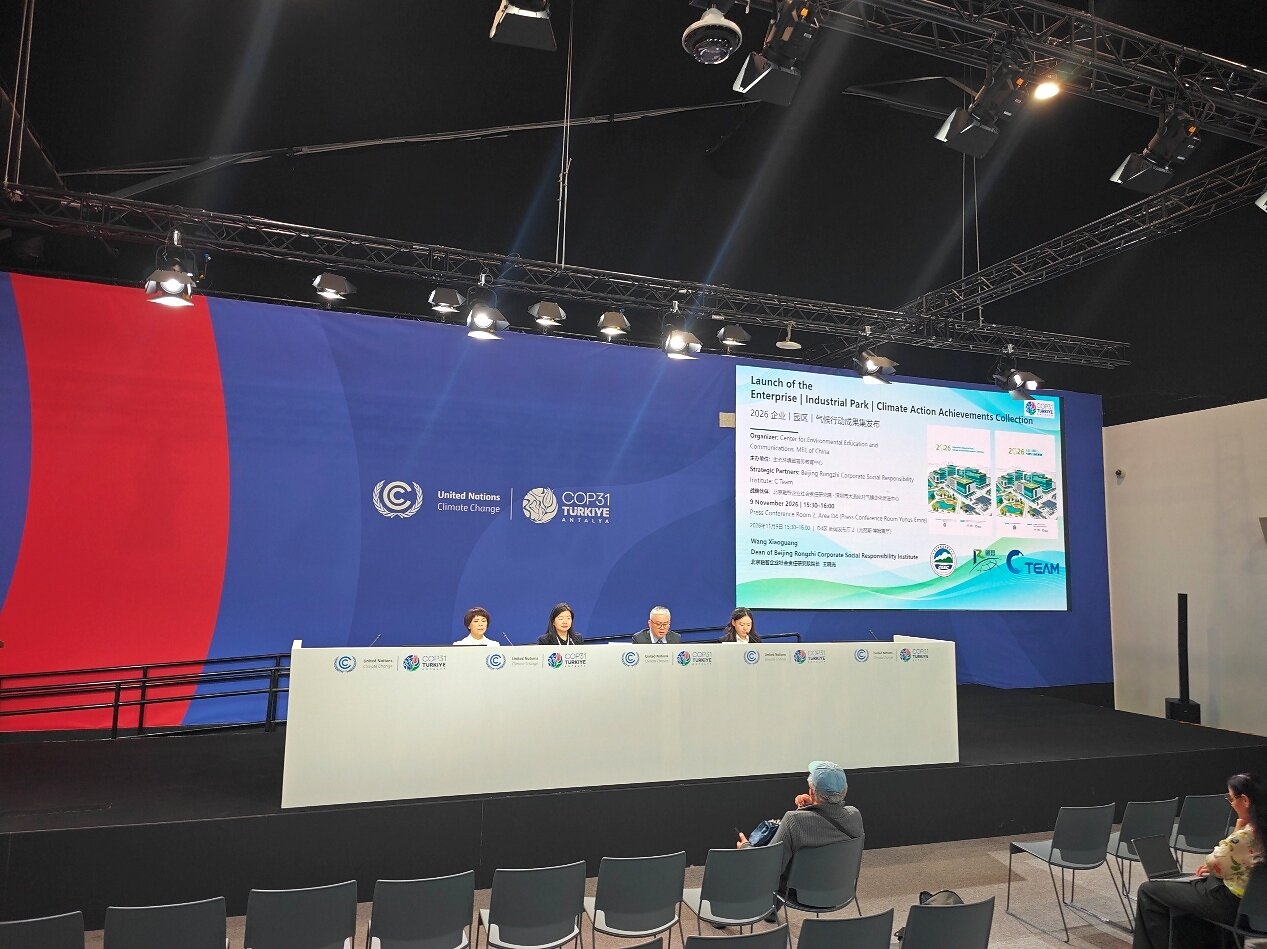
Report released at COP31
S&P Global said it published the report, Adopting Clean Technologies: The Energy Resilience Dividend, during COP31 in Antalya, Türkiye. The S&P Global Institute assembled it from joint analysis by S&P Global Energy and S&P Global Ratings, covering nine advanced economies plus case studies of Europe and China.
Shock impact and oil displacement
Countries that rely less on oil imports reduce the GDP impact of oil supply shocks by around 0.25 percentage points, according to the report. S&P Global Energy estimates that battery electric and plug-in hybrid light vehicles on the road worldwide will displace 1.9 million barrels per day of oil demand in 2026, nearly 2% of global oil demand.
Europe's renewables and China's exports
EU non-hydro renewable generation is up nearly 340 terawatt-hours since 2021, 70% more than the 2016–2021 increase, and European clean tech investment in 2026 is expected to more than double 2021 levels. China exported nearly 2.5 million EVs in the first half of 2026, more than double the year-earlier period, the report says.
Dependence on a concentrated supply chain
The report says clean technology also creates new strategic dependencies, with China dominating nearly all parts of the supply chain, from mining and processing of key metals and minerals to components and technologies. Diversifying that supply chain is described as increasingly important to macroeconomic resilience.
Marion Amiot, Head of Climate Economics at S&P Global Ratings, said the analysis suggests clean technology investment can deliver benefits beyond climate objectives by strengthening resilience to energy supply and price shocks, but that energy security is changing as economies electrify. Alexandra Dimitrijevic, Head of the S&P Global Institute, said energy, geopolitics, technology and capital flows can no longer be understood in silos.