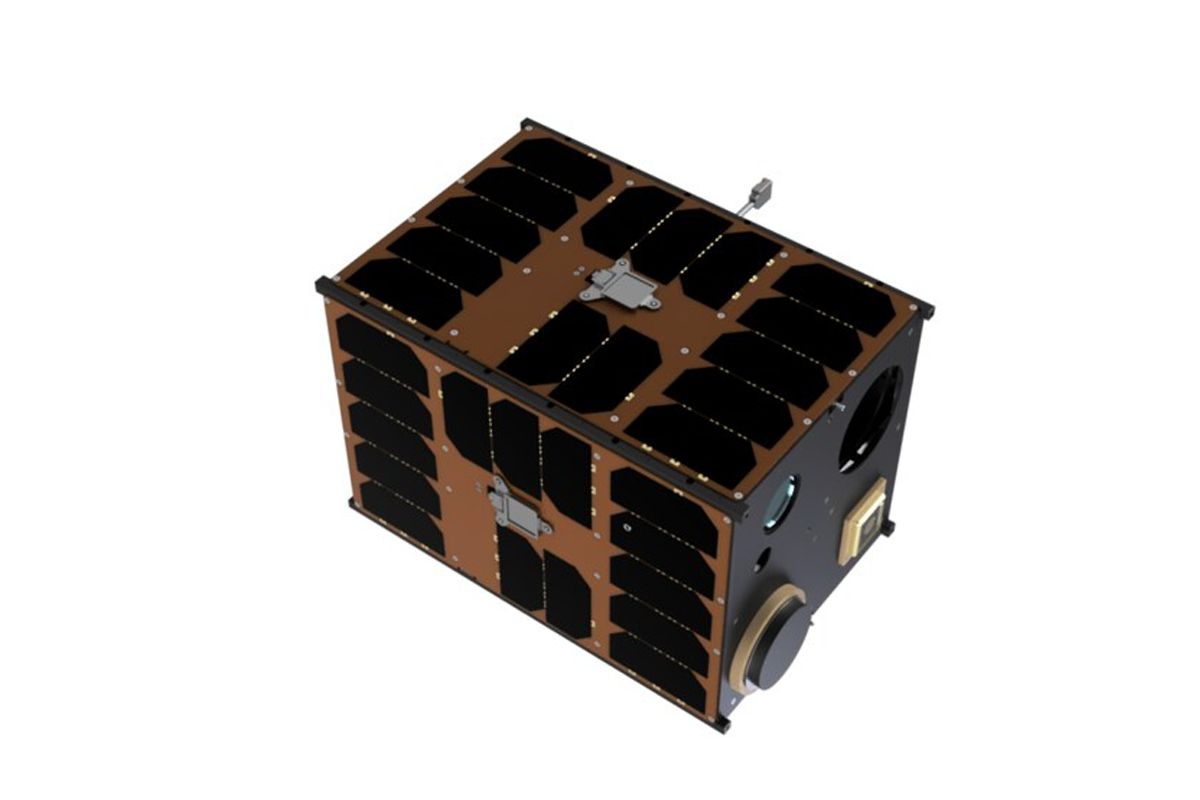
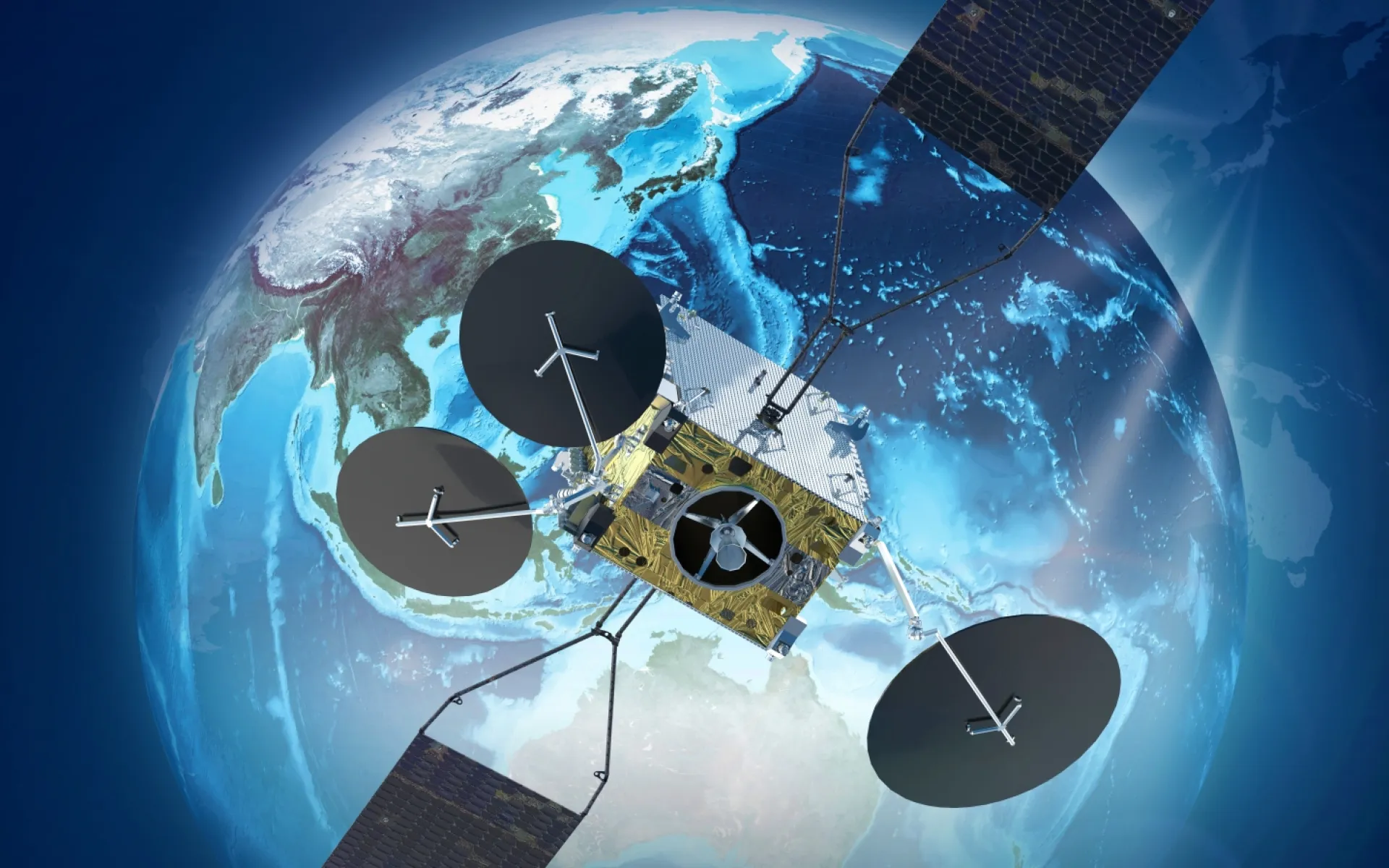
Astroscale has placed a two-part demonstration mission, ELSA-d, in a 550-kilometre orbit after a Soyuz launch from the Baikonur Cosmodrome arranged through GK Launch Services. The company's mission operations team, working from a centre at Harwell in the United Kingdom, confirmed contact with the spacecraft and reported that its initial system checks were satisfactory.
The mission is a rehearsal rather than a cleanup. One half of the pair is a servicer carrying a magnetic capture mechanism; the other is a client satellite that stands in for a piece of debris and carries a docking plate. The two will separate in orbit and then attempt to come back together.
Why catching a satellite is the hard part
Removing a dead satellite begins with reaching it, and reaching it means matching its orbit closely enough to touch it. Three demonstrations are planned, in rising order of difficulty: a magnetic capture of the client while it is steady, a capture while it is tumbling, and finally a deliberate release, a far-range relocation and a recapture. The tumbling case is the one that matters commercially, because most debris is not cooperative and was never designed to be held.
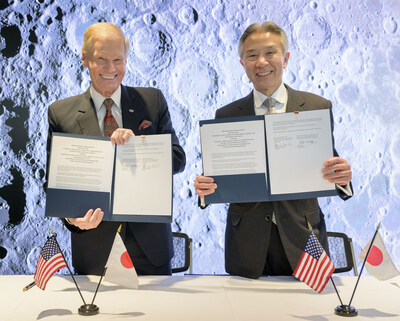
Astroscale's project manager, Seita Iizuka, and its founder and chief executive, Nobu Okada, both present the launch as a step towards a paid service, and the company expects the demonstrations to inform rules for end-of-life removal as well. Those are two separate claims. A successful docking proves a mechanism works; it does not settle who pays to remove a satellite, or who carries the risk if an attempt goes wrong.
It is also worth noting what the mission does not test. Both halves of the pair were built to work together, so the target is a purpose-made partner rather than an abandoned rocket body, and the distance between a cooperative client and real debris is left for later.