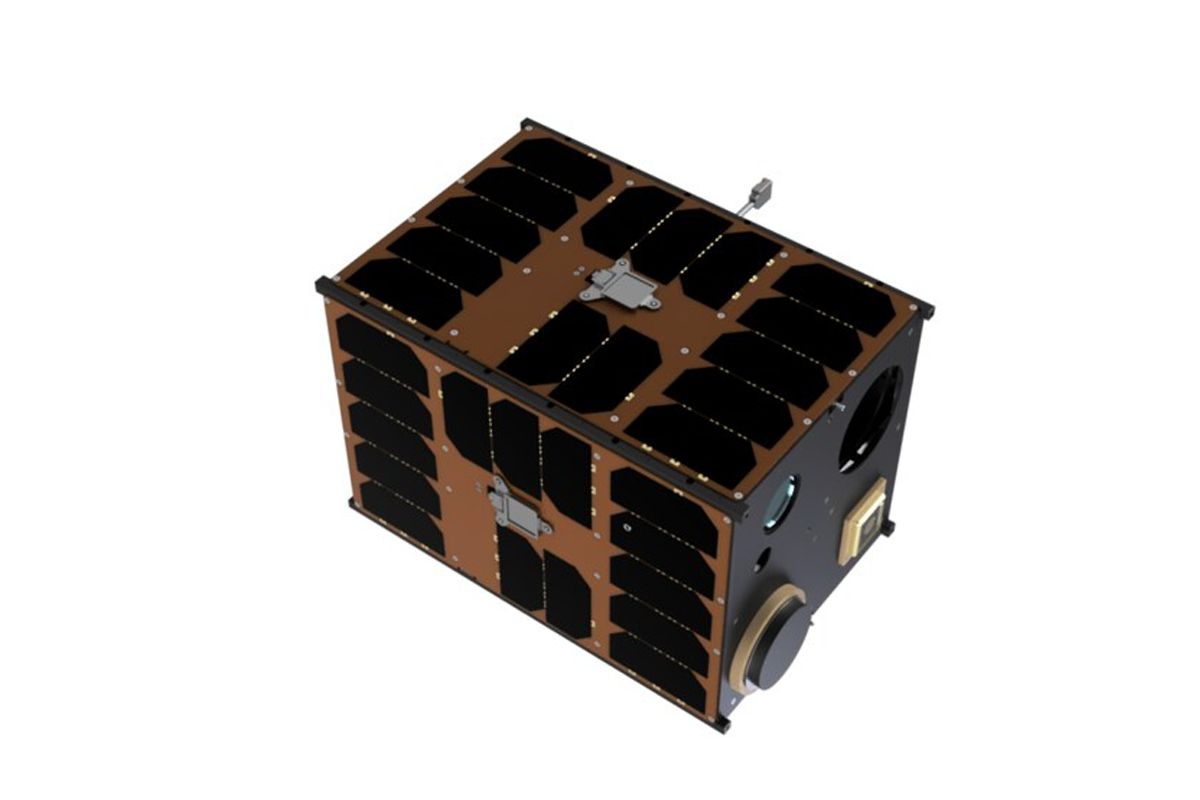
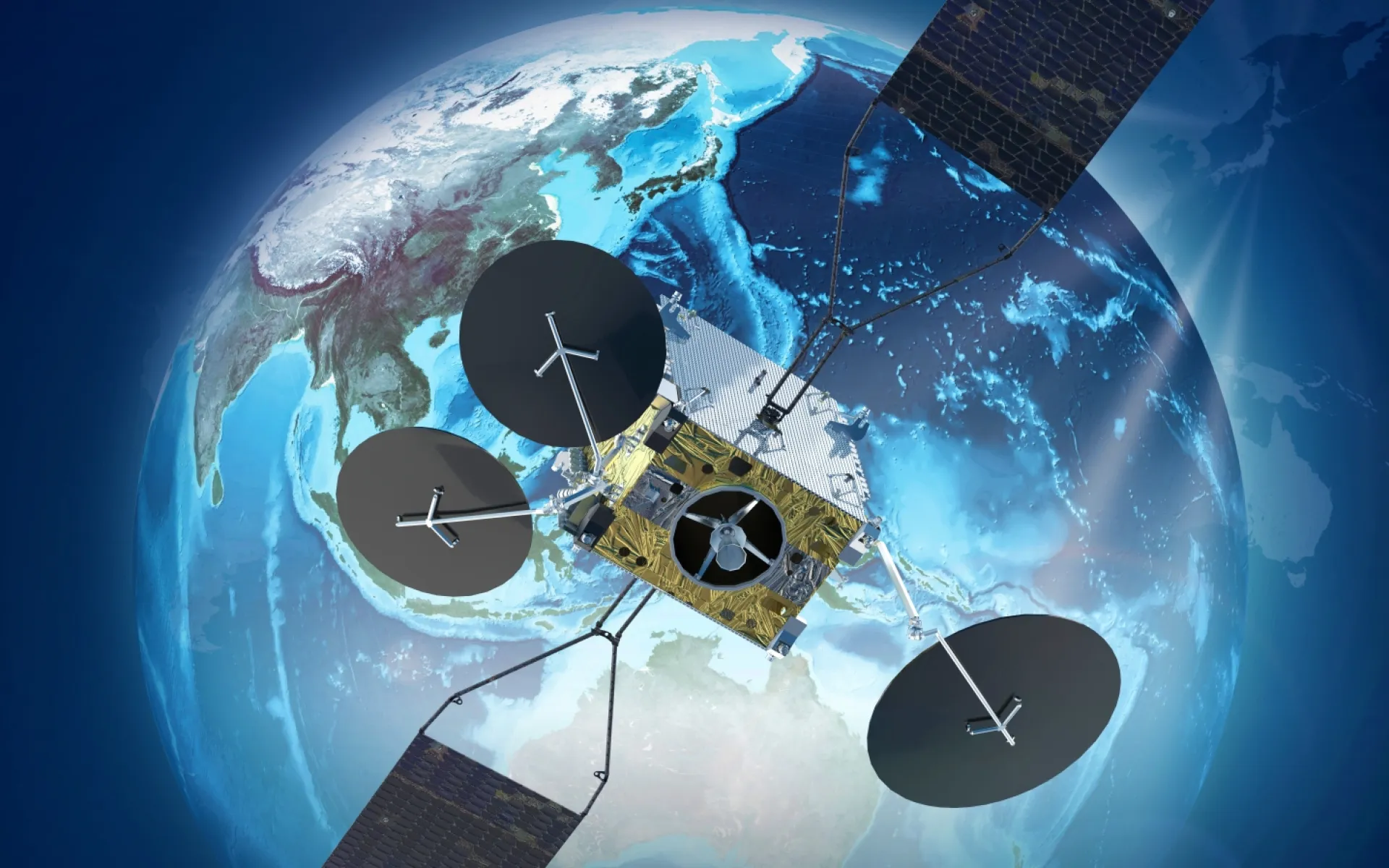
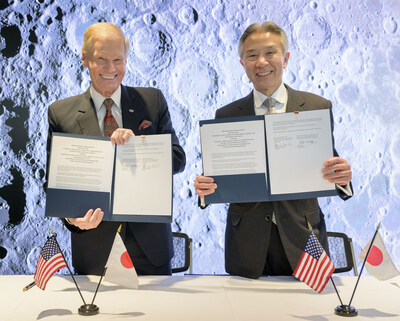
Astroscale Japan has signed an agreement with Rocket Lab to launch its ADRAS-J spacecraft on an Electron rocket from Mahia in New Zealand in 2023. The spacecraft was chosen by the Japan Aerospace Exploration Agency for the first phase of its Commercial Removal of Debris Demonstration project, which the company describes as one of the first attempts to demonstrate the removal of large debris from orbit.
The task is narrower than removal. ADRAS-J is designed to rendezvous with a discarded Japanese upper-stage rocket body, fly close to it, and take images, producing data on the state of a derelict object. The second phase of the programme, which would actually de-orbit the debris, has not yet been awarded to anyone.
What proximity operations involve
Approaching a piece of debris is a problem of measurement before it is a problem of machinery. The target is not sending signals, its exact shape and motion are uncertain, and a misjudgement is permanent. Rocket Lab's founder and chief executive, Peter Beck, put the closing speed at roughly 27,000 kilometres an hour, which is why the launch vehicle's upper stage has to place the spacecraft in a precise orbit rather than merely a safe one.
Astroscale's founder and chief executive, Nobu Okada, frames the mission as groundwork for a servicing industry as much as for cleanup: the images and the rendezvous data are meant to shape the technologies and the policy. That is an honest description of where this sits. Meeting a known, catalogued object is a first step; the harder problem of securing something that was never meant to be caught remains untested.
The spacecraft is at critical design review, with assembly scheduled to begin in early 2022. The launch date, like the second phase, is an intention rather than a result.