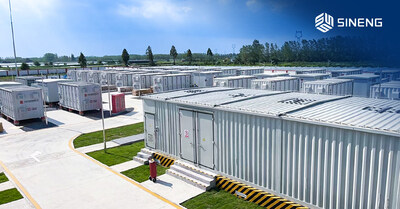
The first phase of a sodium-ion battery energy storage plant in Hubei province, China, has been connected to the grid and begun commercial operation, with Sineng Electric supplying the power conversion equipment. The phase is rated at 50 MW/100 MWh inside a project planned for 100 MW/200 MWh, and Sineng says it is the first storage station in China at the hundred-megawatt-hour scale to use sodium-ion cells.
Sodium-ion batteries work much as lithium-ion cells do, moving ions between two electrodes, but the carrier is sodium rather than lithium. Sodium is abundant and cheap; the trade is that sodium-ion cells generally store less energy for their weight, which matters in a car and much less in a building. The chemistry's advantages — better behaviour in cold, and a lower risk of thermal runaway — are the ones a grid operator cares about.
What the figure measures, and what it does not
The plant was developed and managed by Datang Hubei Energy Development. According to the release it stores 100,000 kWh on a single charge, which Sineng says is about a day of power for 12,000 households. It contains 42 containers of 185 Ah sodium-ion batteries, 21 power conversion units and a 110 kV booster station; Sineng's 2.5 MW string converters are designed to follow the wide voltage range of sodium-ion packs, between 700 and 1,500 volts, and are built for outdoor installation.
Commissioning a first plant and manufacturing a product line are different achievements. Sodium-ion's case against lithium in stationary storage rests on the cost of a full cycle across many years, a figure that only operating plants produce. Sineng also notes its own standing — a top-tier ranking from BloombergNEF and fourth place in 2023 global inverter shipments — which is the company's account of itself. The number a reader would want, the delivered cost per kilowatt-hour over the plant's life, is not yet available.