Who is doing what
Ricoh USA, Inc. said it has entered a partnership with Hyphen, a food-service automation company, to support and expand the adoption of robotics in the U.S. food service industry. The work will run through RICOH Service Advantage, which the company describes as a lifecycle management offering that helps businesses, including emerging technology firms, handle the demands of rapid expansion such as deployment and ongoing support, the company said.
The number behind it
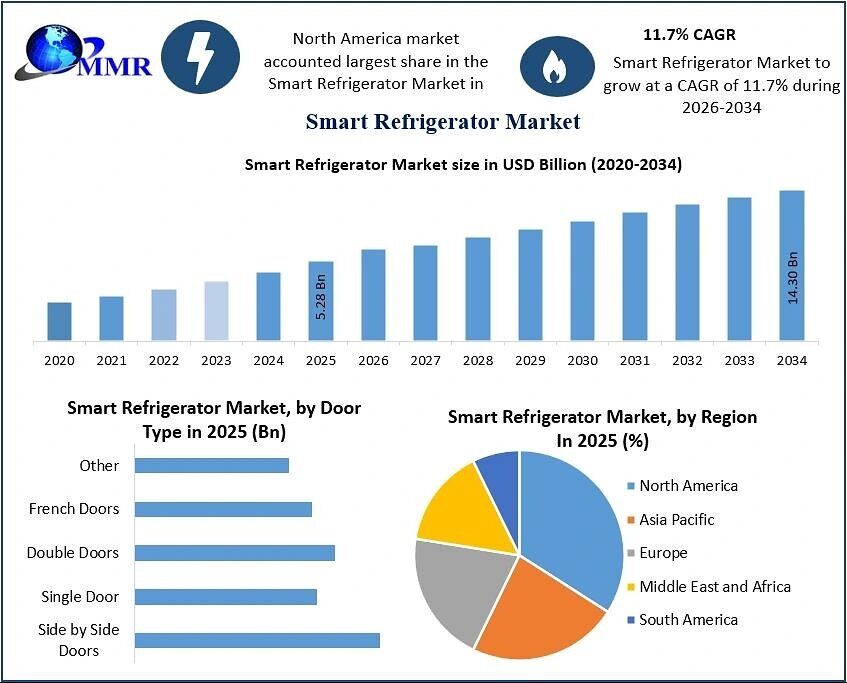
The company said the worldwide market for restaurant robotics, which includes automated food-preparation systems, is expected to grow from $2 billion in 2026 to $6 billion by 2033, with North America driving that increase.
The technology involved
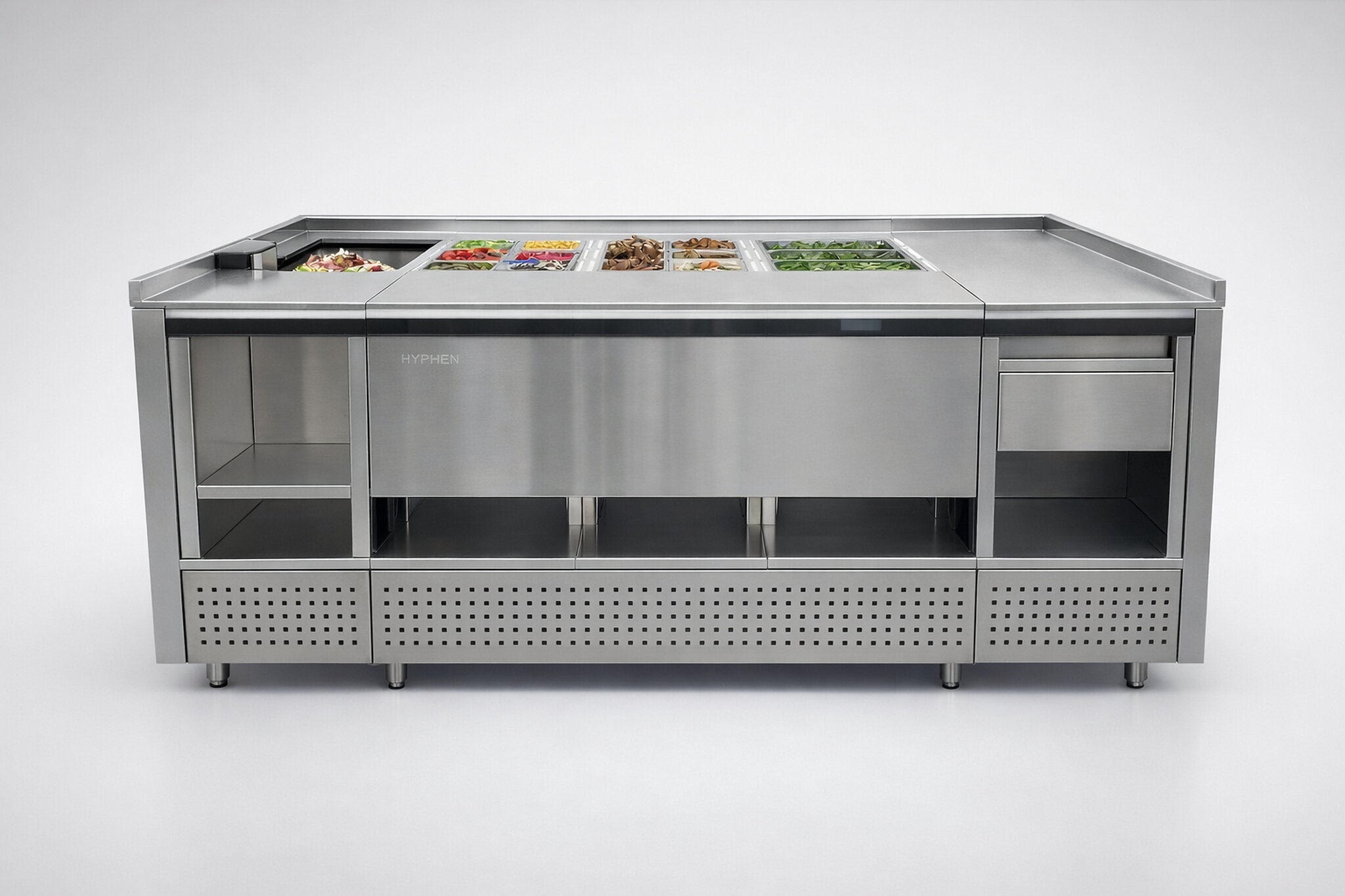
The supported equipment includes the Hyphen Automated Makeline, which the release says is backed by both Chipotle and Cava. The system takes digital drive-thru, online and kiosk orders and assembles rice and salad bowls below the counter while staff continue to serve dine-in customers from the counter above. Hyphen says its automated makeline turns out more than 200 meals an hour and removes order defects and cross-contamination, and that its CulinaryOS platform lets restaurants build recipes in seconds, fulfil orders from several digital channels and assist with kitchen-specific tasks.
What the two companies say
Shawn Lange, Hyphen's senior vice president of go-to-market, said interest in robotic technology for better and more consistent operations has been strong, but that the difficulty of scaling has held the industry back, and that the partnership should let Hyphen ramp up, train and implement more quickly for restaurant groups wanting chainwide deployment. Steve Sanders, vice president of Service Advantage at Ricoh North America, said restaurant operators are adopting technology both to improve the top line through a consistent brand experience and to lower costs. The release also cites the National Restaurant Association's latest industry report, which found that more than 90% of operators name food, labour, insurance and inflation-related costs as significant challenges.