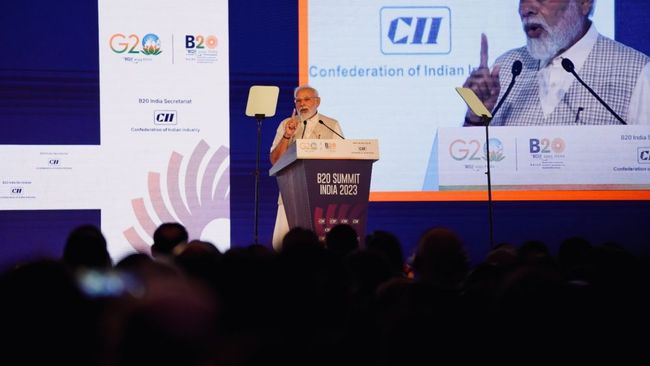
Pertamina has said it will develop fuels made from plants, naming sugarcane, corn, cassava and sorghum as the resources it expects to use, in remarks made around the B20 business summit in New Delhi. The company's president director, Nicke Widyawati, said the country's energy would eventually be bioenergy-based, pointing to the availability of land and crops.
The argument she makes is broader than emissions. Bioenergy, she said, also reduces import dependence and creates work, because plantations employ people, and she described Indonesia's aim as making the most of its own resources. She sits as a co-chair of the summit's task force on energy, climate change and resource efficiency, and set out three agendas carried from the previous year's meeting in Bali: new and renewable energy, a transition that is fair and affordable, and equal access to clean and affordable energy for large developing countries.
The land behind a fuel target
Biofuels are attractive in a country with abundant farmland, and the same abundance is what makes them contested. Fuel crops compete with food crops for land and water, and the emissions saved depend on how the feedstock is grown and processed, an accounting question rather than a single number.
Pertamina frames bioenergy as one part of a transition it says will not disrupt energy security in the short term, and repeats its support for a national net-zero target in 2060. The company also says it discussed processing its byproducts with Indian bioethanol companies during the visit.
What the release describes is an intention to develop the fuels and a set of meetings. The feedstocks, the volumes and the land use are not specified, and those are the figures that would show whether the ambition adds up.