Eighteen programs, one ecosystem
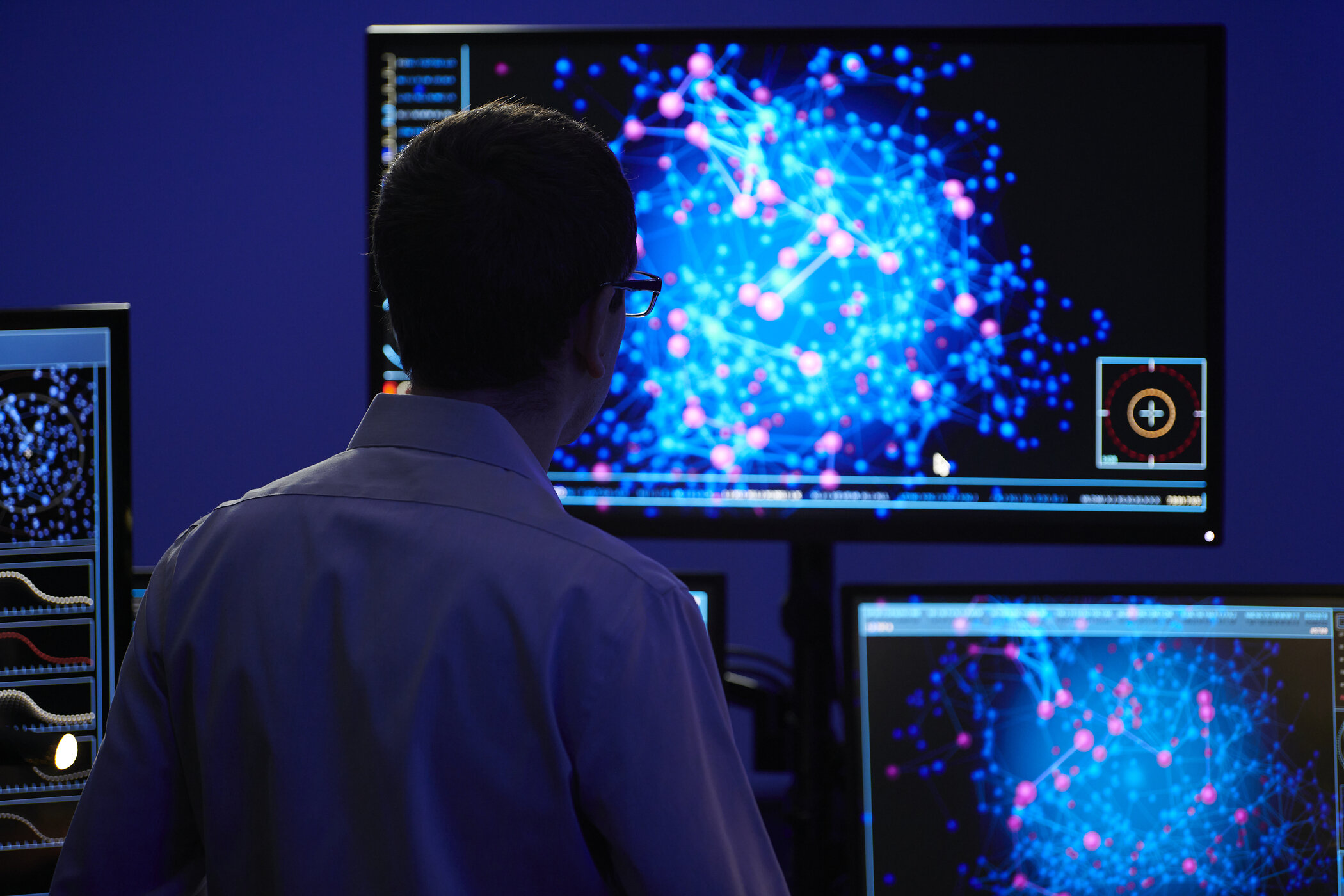
The NIH Common Fund Data Ecosystem is connecting research datasets from 18 NIH programs so they can be found, combined and analysed more easily, according to the release. Its resources span human genetics, the microbiome and emerging technologies, and are meant to let scientists explore links that would otherwise stay hidden across separate studies.
The paper in Patterns
A new paper published in Patterns describes how the ecosystem was developed, its infrastructure and tools, and the work to evaluate its impact. Casey Greene, a professor of biomedical informatics at CU Anschutz and the study's senior author, said the difficulty is no longer generating more data but getting existing data to work together so researchers can answer questions they could not tackle before.
Evaluation and citation signals
Researchers at CU Anschutz take part in coordinating the initiative and in judging how well the shared infrastructure supports scientists and delivers value across research programs, the release said. The team is also tracking indicators of engagement and impact, including how often scientists use the ecosystem's online resources and cite related publications. Early findings suggest related publications may be cited more often than comparable papers, though the release said more analysis is needed to understand what those differences mean.
Julie A. Jurgens, associate director of scientific delivery for the Knowledge Portal Network at the Broad Institute of MIT and Harvard and the paper's corresponding author, said a finding in one dataset can become more meaningful when examined alongside evidence from another study or another area of biology.
Connected data and AI
Sean Davis, a professor of bioinformatics at CU Anschutz, said the longer-term aim is a research environment where valuable data do not sit in separate repositories waiting for someone to make a connection. The release said connected, well-organised datasets could also help computational tools and emerging AI-driven approaches analyse scientific information more effectively. The ecosystem and the paper are the product of a collaboration across five centres, 18 programs and multiple partnerships, according to the release.