Naluri, a Malaysian company that sells mental and physical health programmes to employers, has raised US$7 million in what it calls a pre-Series B round. The round was led by Thailand's Pruksa Group, with Bertelsmann Investments of Germany and Striders Corporation of Japan, and with returning investors M Venture Partners, Palm Drive Capital and INP Capital.
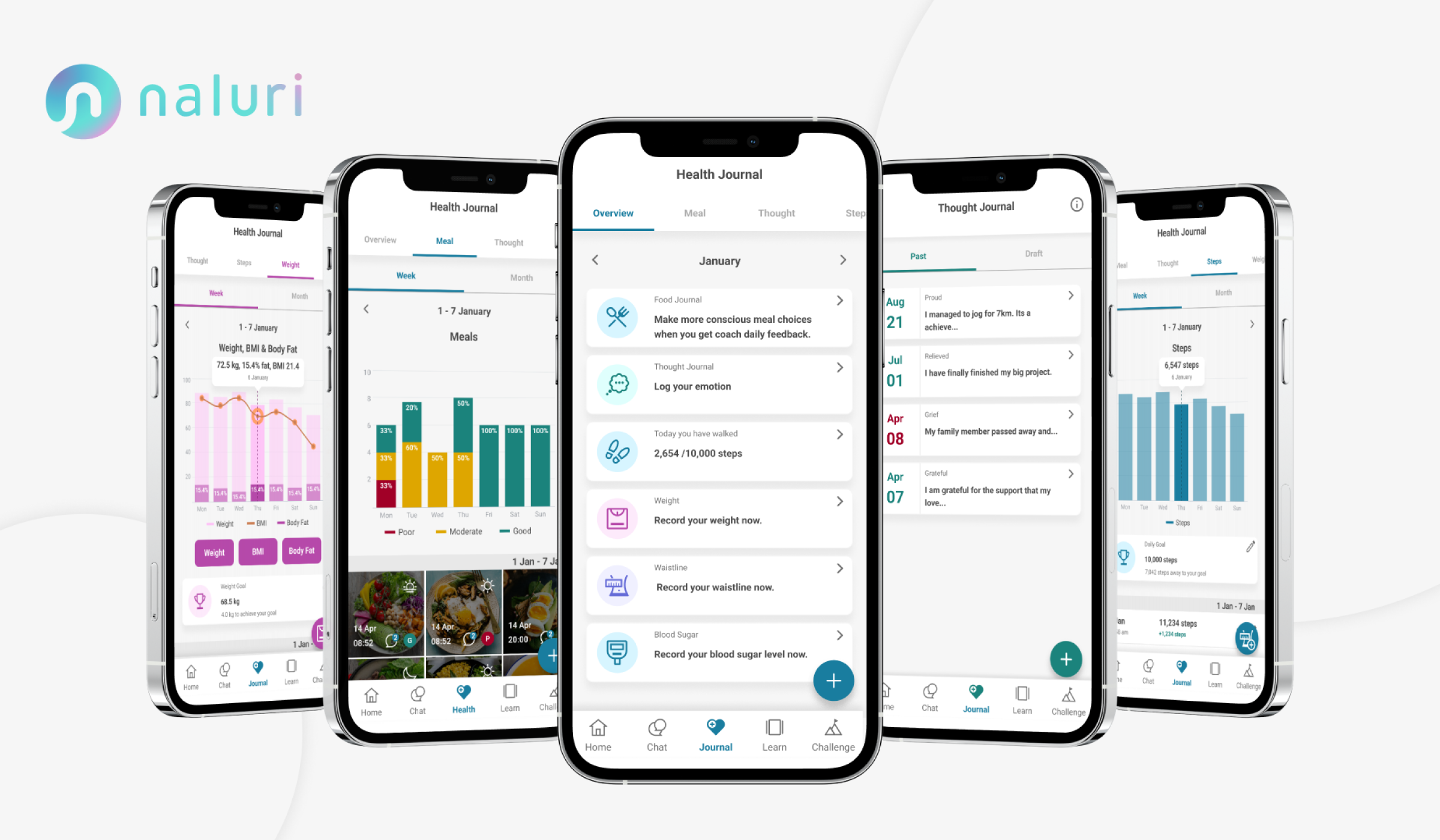
The company says the money will fund expansion into Thailand and support its existing operations in Malaysia, Singapore and Indonesia, with the Philippines, Hong Kong and Australia named as later markets. Founded in 2017 by Azran Osman-Rani and Jeremy Ting, Naluri pairs a digital platform with human coaches, and says it serves more than 75 employers across finance, energy, property, telecommunications, education and aviation.
Who gets help when the employer pays
Selling wellbeing to companies is an efficient way to reach people, because the buyer and the beneficiary are different and the buyer has a budget. It also means that access depends on where somebody works. Staff at those 75 employers get the service; the person doing the same job at a smaller firm, or in the gig economy, does not.
There is a second effect that is harder to measure. When an employer buys mental health support, the programme sits inside the same workplace that may be contributing to the distress, and the data it collects belongs to a service the company pays for. Naluri describes its approach as evidence-based and human-led; the release does not say what it reports back to the employers who buy it.
The company's chief executive, Azran Osman-Rani, said tightening global markets made the investment an affirmation of the mission. The funding is real and the model does reach people at work; the question the announcement leaves open is who is left outside the subscription.