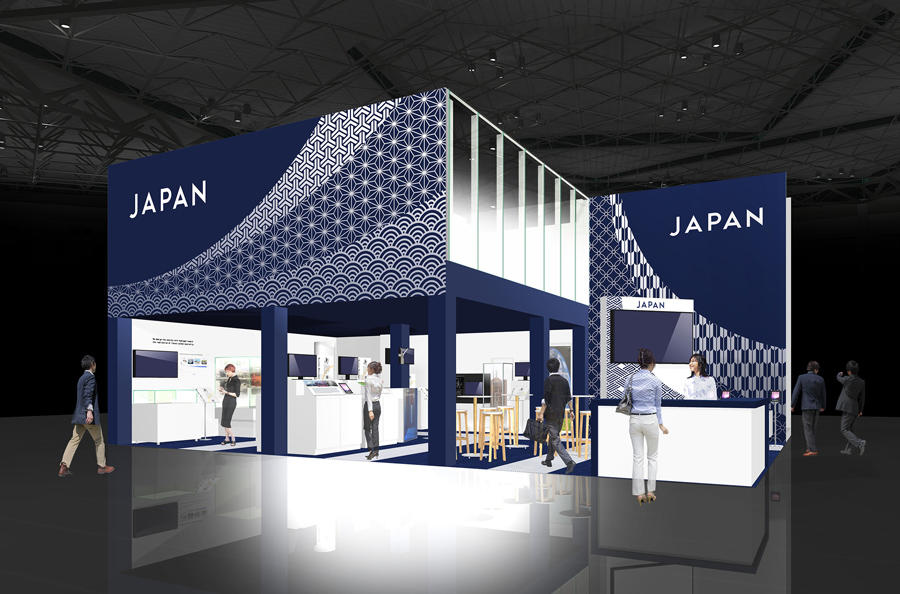
Mitsubishi Heavy Industries will exhibit at the Japan Pavilion at COP26 in Glasgow, a booth that runs from 31 October to 12 November. The company is bringing models of hydrogen-fuelled gas turbines and material on carbon capture, rather than any new commitment.
The substance is in the figures it does give. Mitsubishi Power, the group's power brand, says it has reached co-firing with 30 per cent hydrogen in large-frame gas turbines, and is working on a next-generation combustor to reach 100 per cent, a harder problem because hydrogen burns faster than natural gas. On capture, the KM CDR Process developed with Kansai Electric Power has been installed in 13 units worldwide, and a newer amine solvent is said in recent tests to recover more carbon dioxide.
The gap between a demonstration and a power system
Both technologies are real and both are partial. Co-firing at 30 per cent reduces a gas turbine's emissions by a similar fraction; it does not make the plant clean, and it depends on a supply of hydrogen that, in most places, does not yet exist at scale. Thirteen capture installations are a track record of projects rather than the default for the plants the company builds.
Mitsubishi Heavy Industries has set its own target of carbon neutrality by 2040, ten years ahead of Japan's national goal, and is promoting a value chain that runs from capture to transport ships to a trading platform. That is a large bet on a business that does not yet exist.
An exhibition is not a result, and the honest reading is that these are technologies with a known first step and an unknown cost of finishing. Whether co-firing and capture can scale to a country's grid, rather than to a single turbine or a single plant, is the question a pavilion cannot answer.