Researchers from across Africa are being invited to apply for a funded, three-month training programme in India on millets and other ancient grains. It is offered under the Millets And Other Ancient Grains International Research Initiative (MAHARISHI) and hosted at the Global Centre of Excellence on Millets at the Indian Council of Agricultural Research–Indian Institute of Millets Research in Hyderabad. Participation is open through an application process, the release said. Through MAHARISHI, the training aims to strengthen scientific exchange and South–South cooperation, connecting researchers and institutions working on more resilient and sustainable food systems across Africa and the wider Global South.
Selected early- and mid-career researchers will gain hands-on exposure to millet research and technologies, including genomics-led breeding, high-throughput genotyping and phenotyping, rapid generation advancement and biofortification, along with the development of climate-resilient, nutritionally enhanced varieties. The programme also covers the wider millet and other grains value chain, including agronomy, seed systems, post-harvest management, processing, nutrition, food safety, entrepreneurship, value addition and market development.
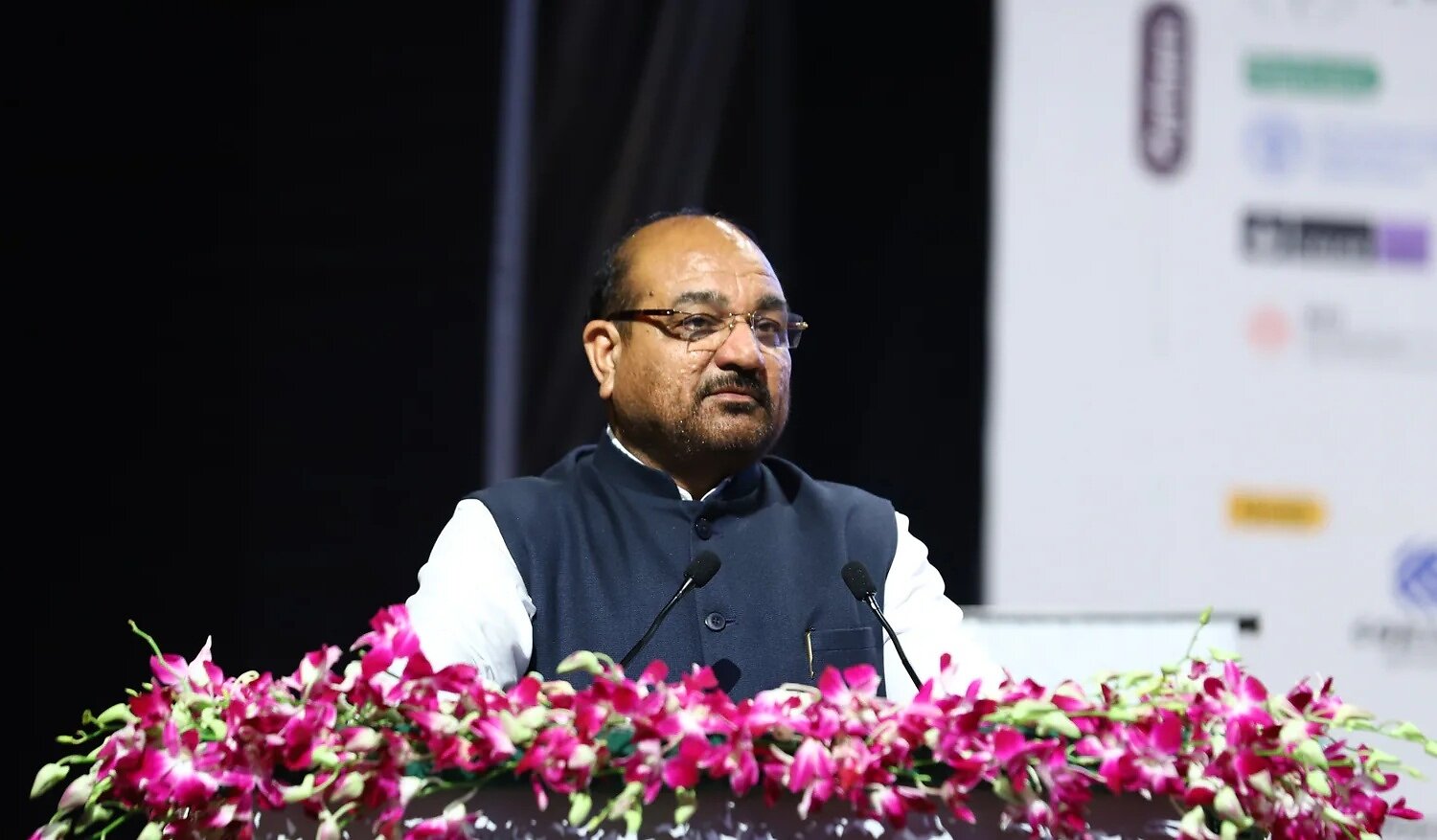
Dr Mangi Lal Jat, Secretary of DARE and Director General of ICAR, said the future of food security in the drylands would depend on how effectively countries connect science, people and institutions across borders, particularly around crops such as millets and other ancient grains that are suited to a changing climate. He said India had built deep scientific expertise in these crops and that sharing it across borders could multiply its value and impact. He also said the challenges of climate change, food insecurity and malnutrition require cooperation, and encouraged eligible scientists to take up the opportunity.
Ms Alice Ruhweza, President of AGRA, said the organisation commended ICAR and the Government of India for advancing South–South cooperation through MAHARISHI and for investing in the scientific leadership needed to help shape Africa's food systems. She said recently released Impact, Learning and Foresight findings showed that farmer prosperity in Africa required overcoming three interlocking traps — productivity, capability and value — and that MAHARISHI addresses the productivity and capability traps by strengthening scientific expertise and institutional capacity. The growing importance of millets and other ancient grains also creates an opportunity to address the value trap by expanding market opportunities and strengthening the investability of the sector, she said.
The programme is tentatively scheduled to run from 1 December 2026 to 28 February 2027, and selected international participants will receive full financial support under MAHARISHI, subject to approved programme provisions. Applicants must be citizens of an African country, be engaged in millet-related agricultural research and development, hold a PhD in a relevant life-sciences field, be 45 years of age or below and be available for the full duration of the programme. Preference may be given to candidates with strong potential to apply and disseminate the knowledge gained within their institutions and countries. Application details are available online, with a deadline of 10 October 2026. The MAHARISHI Mini Secretariat at ICRISAT Nairobi works with the Main Secretariat in India on partnerships, knowledge exchange and outreach across the Global South.