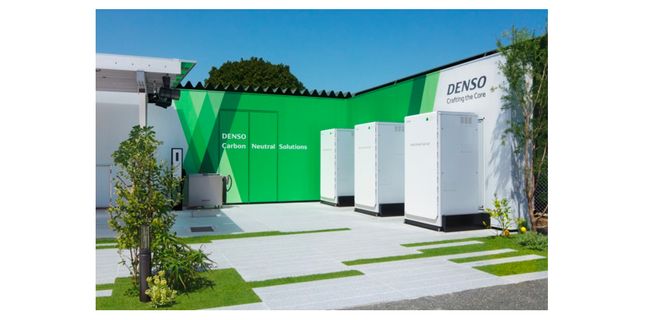
DENSO has started a pilot at its Nishio plant in Japan that combines several energy technologies in one small installation the company calls a pocket park. A solid oxide fuel cell generates electricity, a storage battery moves power to the plant, a vehicle-to-grid connection lets an electric vehicle act as storage, and solar panels sit alongside them. The programme began on 15 May.
The point of the trial is control rather than generation. DENSO says the equipment will be used to charge and discharge the battery and to regulate the fuel cell's output according to the factory's demand, which is the ordinary problem of matching supply to load on a site with several sources.
The efficiency figure, and what it is measured against
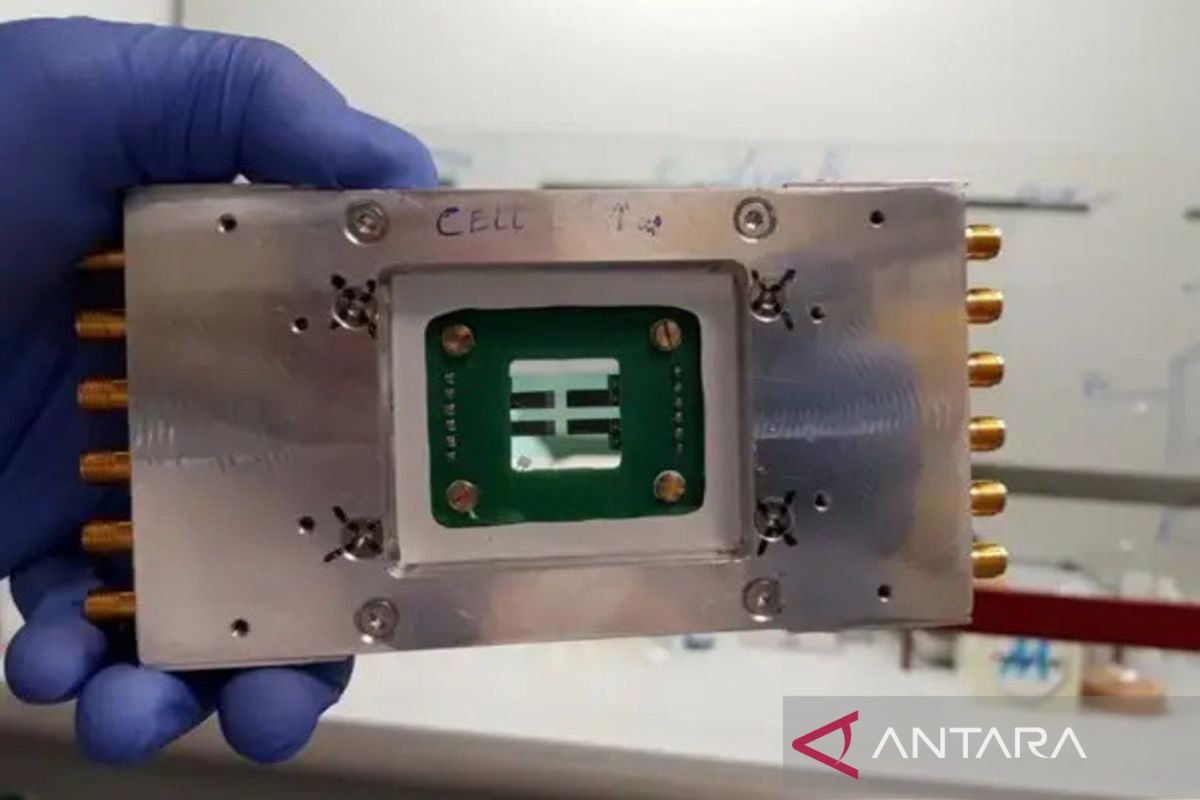
The company says the fuel cell, built with thermal management and fuel-recycling technology carried over from its automotive work, is aimed at a power generation efficiency of 65 per cent, which it describes as the highest level in the world. That is a target for a device in a pilot, not a measurement of one in service, and the phrase highest level depends on the class of device it is compared with.
There is a second qualification in the fuel. A solid oxide fuel cell runs on hydrogen, but the Nishio installation starts on city gas, with the intention of moving towards blends of carbon-neutral gases and eventually their exclusive use. Until that happens, the pilot is a low-carbon system operating on a fossil fuel.
DENSO says the results will inform carbon-neutral work at another of its plants, and that it is supported by a national research organisation. A pilot of one system at one factory is the start of an evidence base, and the useful question is what efficiency it reaches in ordinary operation rather than at its design point.