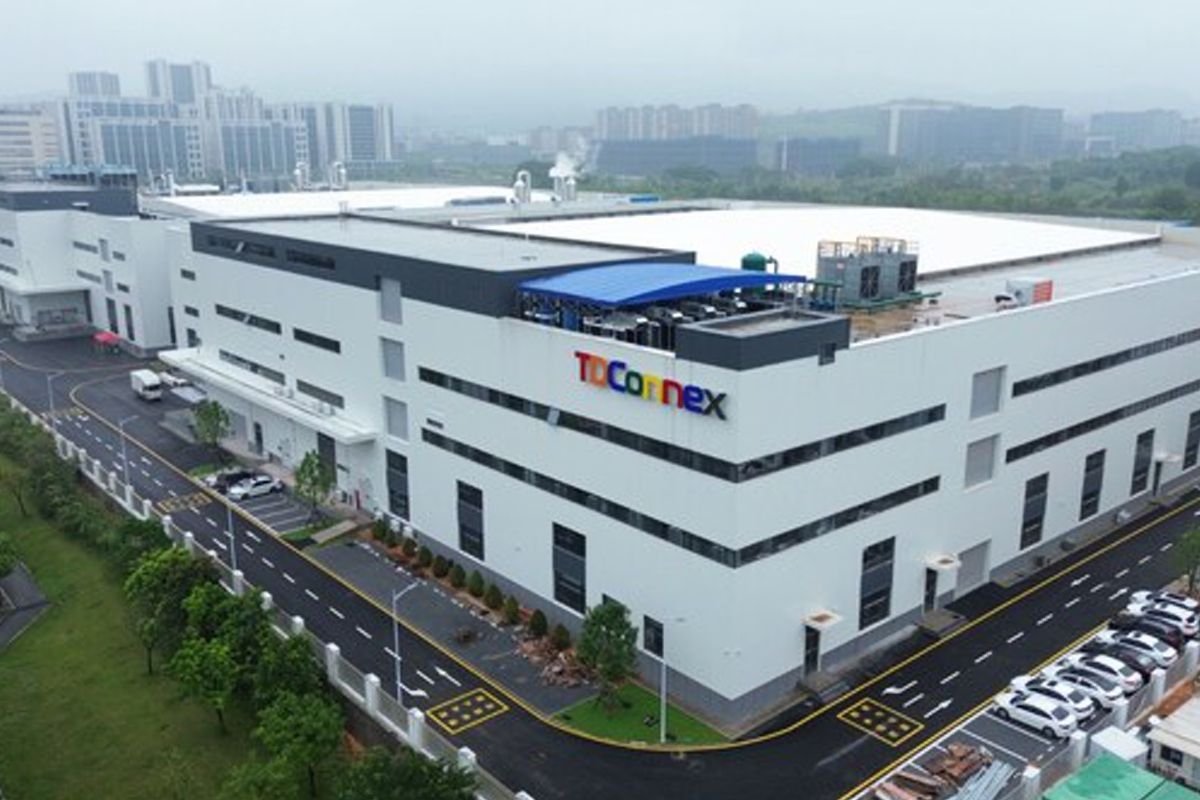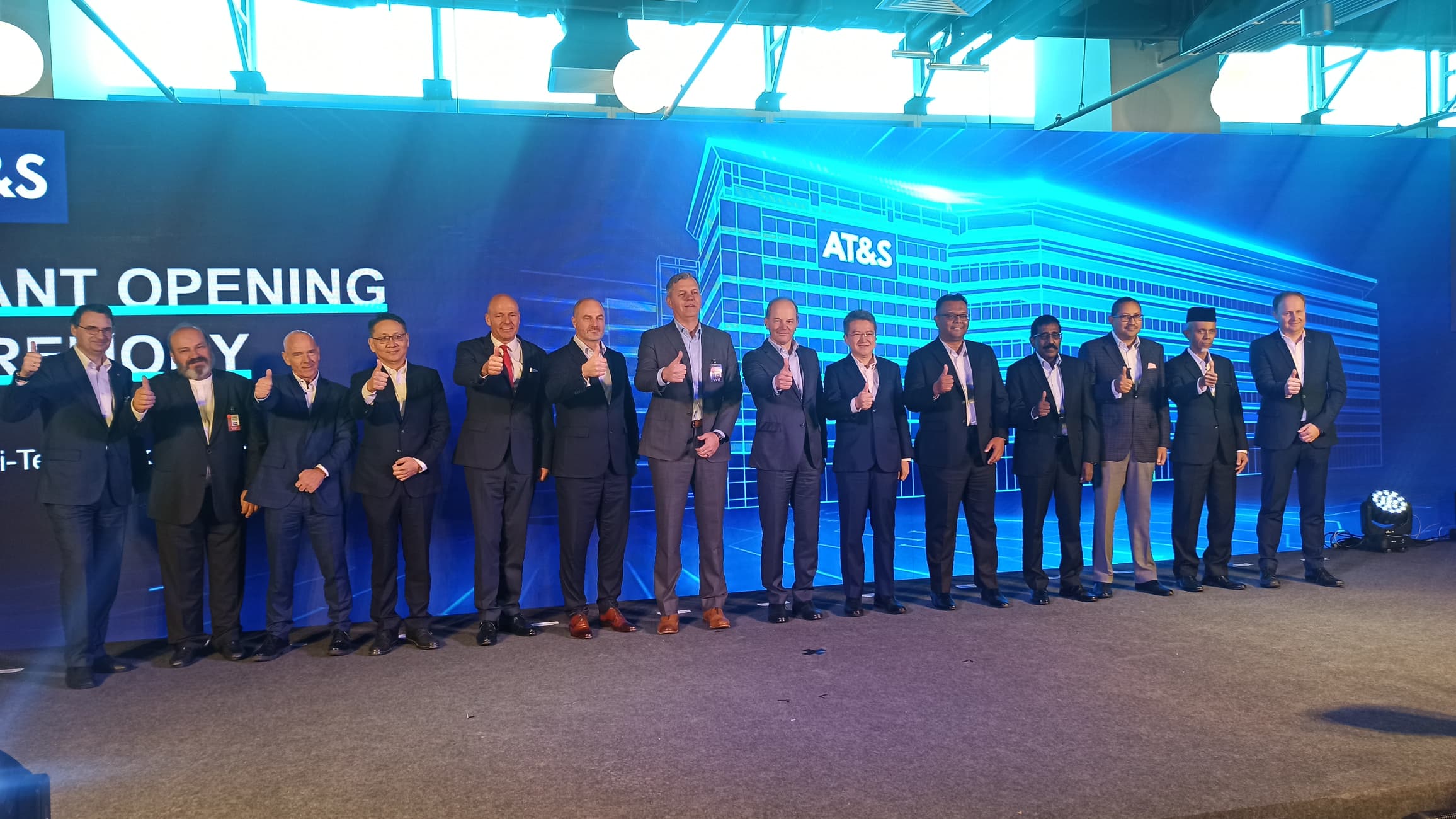
AT&S, the Austrian maker of printed circuit boards and integrated circuit substrates, has opened a plant at the Kulim Hi-Tech Park in Kedah, Malaysia. The company says it has so far invested a little over EUR 1 billion at the site and describes the factory as its first production base in Southeast Asia, with operations due to begin in the fourth quarter of 2024.
The opening was jointly officiated by Liew Chin Tong, a deputy minister at the investment, trade and industry ministry, and Haim Hilman bin Abdullah, an executive councillor in the Kedah state government. That both were present is a reminder of how much of a project like this is negotiated with governments rather than with markets.
The numbers, and the jobs behind them
AT&S says the facility will create more than 6,000 high-skilled jobs, of which close to 2,500 were expected by the end of the opening year. The chief executive, Andreas Gerstenmayer, calls it a new technology sector for Malaysia, and a board member, Ingolf Schroeder, ties the hiring to the company's stated role as an inclusive employer.
The substrates connect silicon dies to circuit boards and are denser than ordinary PCBs, which is why they matter for servers, cloud computing and data centres. MIDA, the Malaysian investment agency, notes that the country holds about 7 per cent of the global semiconductor market and is the world's sixth-largest exporter, and that its electrical and electronics sector drew RM57.4 billion of approved investment in the first nine months of 2023, almost all of it foreign.
Those are the agency's figures, and they describe approvals rather than completed plants. The number that will matter for Kulim is how quickly a factory that opens in name reaches volume, in a market where several governments are now paying for the same capacity and the plants compete for the same engineers.