Angkasa Pura II, the state-owned operator of airports in western Indonesia, has begun installing solar power plants across its estate as part of an effort to cut carbon emissions from aviation, tying the work to an international net-zero programme for airports. Its president director, Muhammad Awaluddin, said the first phase has put solar plants at Soekarno-Hatta in Banten, Kualanamu in North Sumatra and Banyuwangi in East Java.
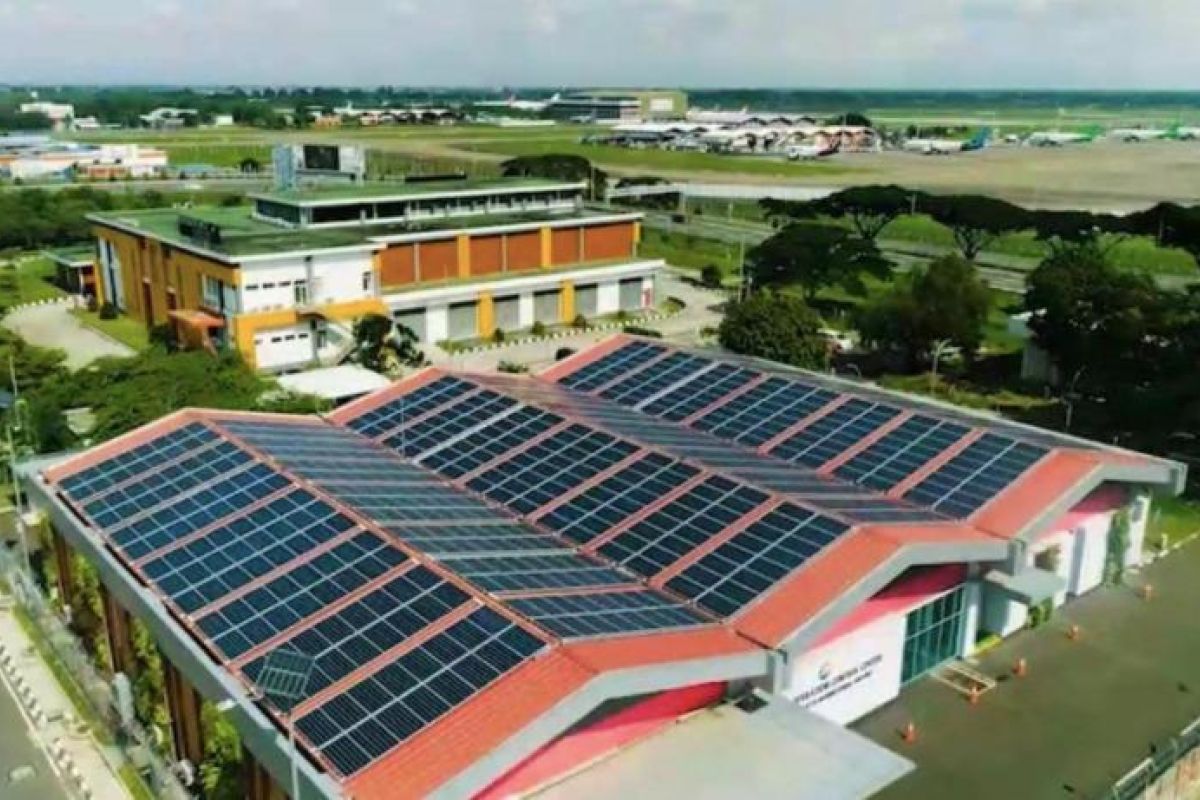
The figures describe a programme at an early stage. Construction is to proceed in stages to 2025 across 20 airports, with a planned total capacity of 26.34 megawatts-peak. So far, rooftop panels of 5,100 square metres, rated at 761 kilowatts-peak, are complete at Kualanamu, and panels of 600 square metres, rated at 35.1 kilowatts-peak, are installed at Banyuwangi. Work at Terminal 2 of Soekarno-Hatta is said to be 90 per cent complete, and a 241-kilowatt-peak array is already running at the airport's operations control centre.
Small numbers against a large target
Add the completed installations together and they come to a little over one megawatt, against a plan of more than 26. That is not a criticism so much as a description of where the programme stands: the target is a ceiling for 2025, and the capacity installed today is a fraction of it.
The operator also says it is using a monitoring system, known by the acronym MANTRI, to watch electricity use across its sites in real time. Measurement of that kind is what turns a commitment into something checkable, and it is the piece most likely to outlast the panels.
Aviation's emissions are dominated by aircraft rather than terminals, so airport solar addresses a small share of the sector's footprint. The programme is worth following for whether the 20-airport figure is reached, rather than for what it will do to the industry's total.