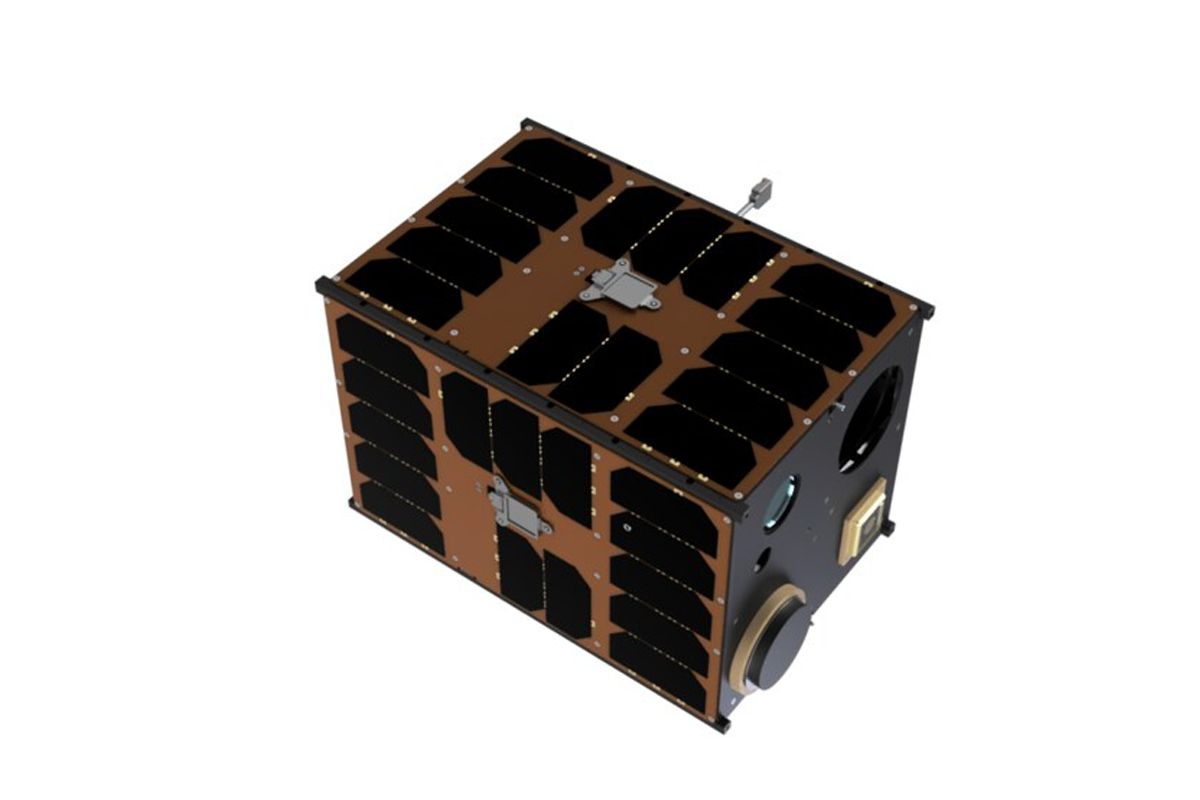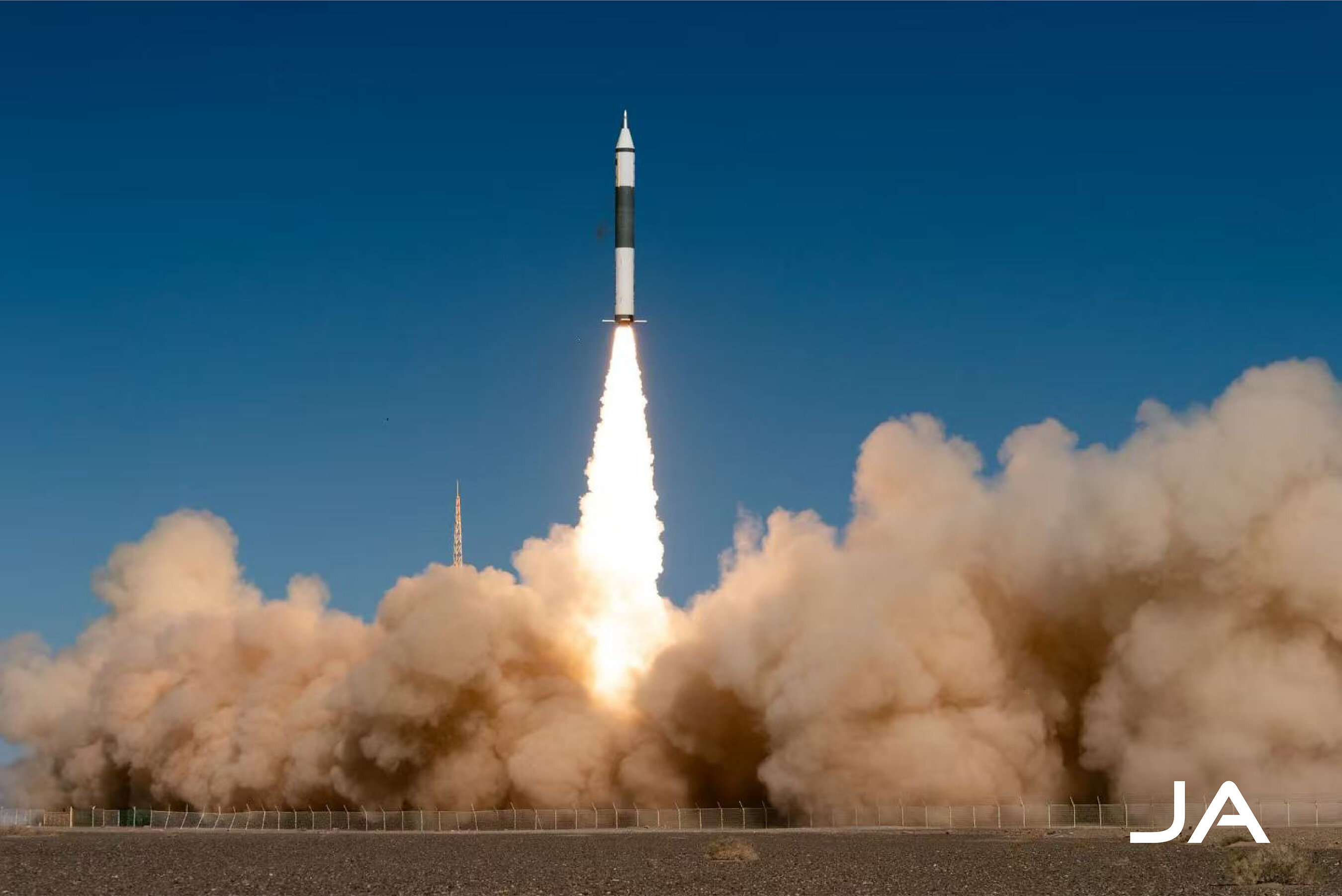
JA said its P-type heterojunction (P-HJT) modules, developed and packaged in-house, flew aboard a Kuaizhou-11 rocket from the Jiuquan Satellite Launch Center on September 17 and reached their planned orbit. The company said the flight is its first in-orbit test of P-HJT modules and forms part of a long-term aim of large-scale commercial use.
Dr. Ouyang Zi, the company's chief technology officer, said solar power is expected to take on a growing role in future space infrastructure as satellite deployment accelerates and the space economy expands, which makes more cost-competitive solar solutions for space a strategic priority. He said JA's expertise in photovoltaics has been established through large-scale manufacturing and deployment in terrestrial applications, and that the in-orbit test carries that work into the space environment. The aim, he said, is to assess the reliability and degradation of crystalline silicon technology in low-Earth orbit and to explore cheaper options for future space energy systems, though the technology will need long-term validation.
In orbit, the modules will be exposed to intense radiation, high-energy particles and wide swings in temperature. JA plans to compare performance data gathered in orbit against results from ground-based simulations to assess the long-term reliability and degradation of P-HJT technology in low-Earth orbit.
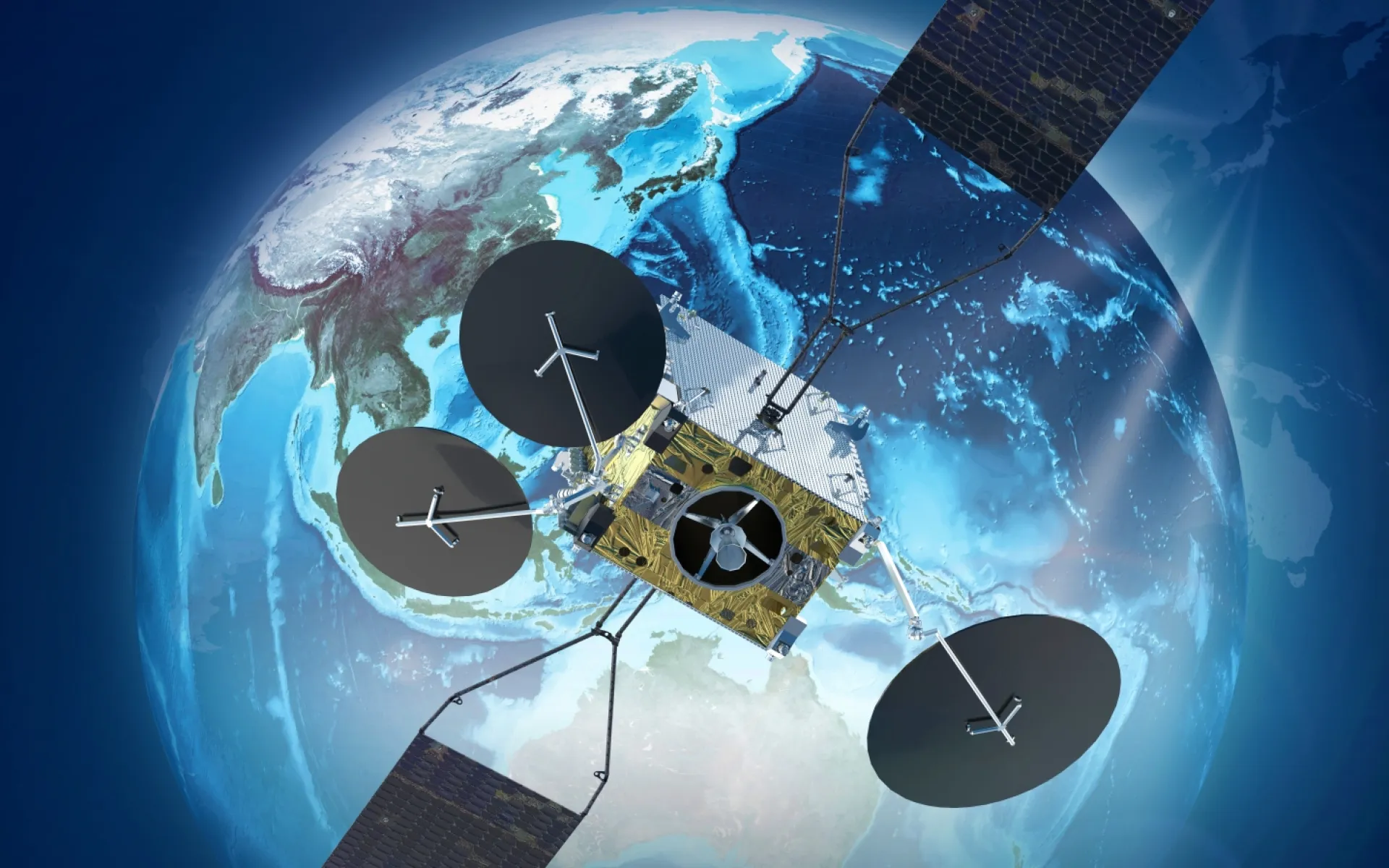
The company said that if its validation targets are met, the program could help accelerate the use of mature crystalline silicon technologies as an alternative to gallium arsenide in low-Earth-orbit applications and potentially lower the cost of satellite power systems. It could also support satellite internet, remote sensing, space communications, space-based computing and other low-Earth-orbit applications.
JA said space photovoltaics remain at an early stage of exploration and validation and that large-scale commercialization is highly uncertain. It said it currently holds no orders related to space PV and that the program has no material impact on its present operating performance. The mission will serve as a starting point for strengthening its module research, development and manufacturing and for advancing scalable energy solutions for space exploration and commercial space uses, according to the company.