The gap in the numbers
People who have used home diagnostic tests are twice as likely to call them very helpful as to call them very accurate, DNV said. Among these users, 67% described the tests as very helpful and 33% as very accurate. Home medical devices drew a similar response, with 68% rating them very helpful and 36% very accurate. DNV said the results reflect consumer perceptions rather than how the technologies perform.
Where the figures come from
The findings are drawn from a DNV report, The Trust Mandate for Medical Technologies, based on a survey of 12,500 respondents across 17 countries. The company said the research examines attitudes towards medical technologies, including perceived usefulness, accuracy, safety, independent assessment and the role of technology in healthcare.
Independent assessment
More than two thirds of respondents, 68%, agreed that independent inspections and certifications significantly improve their confidence in the quality and safety of medical technologies. Nearly three quarters, 74%, said independent testing significantly improves the safety of new healthcare technologies.
What DNV says
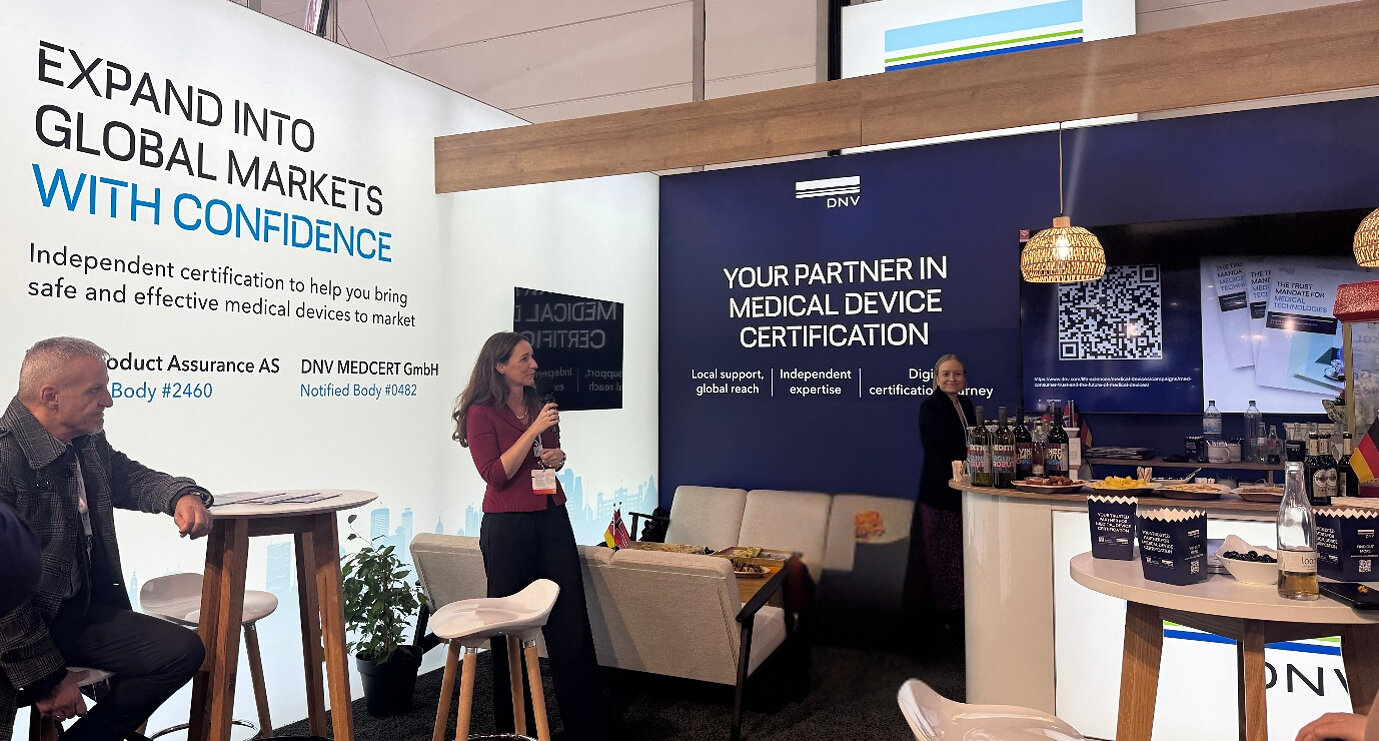
Cecilie Gudesen Torp, managing director of medical technologies, life sciences at DNV, said that demonstrating safety and performance remains fundamental, but that how people perceive these technologies and place confidence in them is another dimension. She said technical performance and public confidence are not necessarily the same thing.