
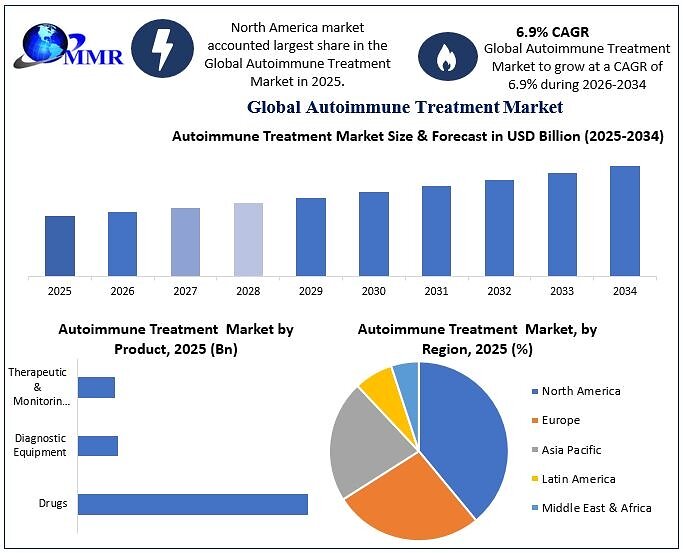
The global autoimmune treatment market was valued at USD 176.6 billion in 2025 and is projected to reach USD 321.95 billion by 2034, expanding at a compound annual growth rate of 6.9% between 2026 and 2034, according to Maximize Market Research.
The firm's report covers rheumatoid arthritis, systemic lupus erythematosus, multiple sclerosis, type 1 diabetes, psoriasis and inflammatory bowel disease, along with other autoimmune disorders. It also spans anti-inflammatory drugs, anti-hyperglycaemic drugs, NSAIDs, interferons, immunosuppressants, biologics and other therapeutic approaches. The market analysis tracks prevalence, patient population, treatment procedures, drug development pipelines, clinical research, regulatory developments and the competitive landscape through 2034.
Factors the firm lists as supporting growth include rising prevalence of autoimmune diseases, a growing geriatric population, increasing disease awareness, demand for early diagnosis and expanding access to advanced healthcare. It also cites wider use of biologics, immunosuppressive therapies, corticosteroids, monoclonal antibodies, targeted therapies and personalized treatment, alongside investment in pharmaceutical research, clinical trials, biotechnology and drug discovery.
The report identifies high costs of biologics, targeted therapies and advanced diagnostics, along with prolonged disease management, as restraints that can limit patient access, with affordability and reimbursement challenges described as particularly acute in developing and cost-sensitive markets. It also notes limited diagnostic facilities, specialist access and reimbursement coverage in some developing regions. North America held the largest share in 2025, while Asia Pacific is described as a high-growth region.